 (Image via
Packing for a trip that spans both sunny beaches and snowy mountains feels like a cruel logic puzzle designed by a sadistic airline. You stare at a carry-on suitcase the size of a large loaf of bread and then at a pile of clothes that includes both a swimsuit and a winter coat. The laws of physics seem to laugh at your predicament. The secret, however, is not magic or a bigger bag, it is strategy. Efficiently packing for multiple climates in a single carry-on is the final boss of travel, a skill that separates the seasoned globetrotters from the tourists paying exorbitant overweight baggage fees.
The goal is to become a master of versatility, choosing items that can pull double or even triple duty without looking like you have been wearing the same outfit for two weeks straight. It requires you to think like a fashion Tetris champion, fitting every piece together with purpose and precision. Once you embrace the art of layering and the power of a neutral color palette, you will unlock a level of travel freedom you never thought possible. You can breeze past the baggage carousel and step directly from the plane into your adventure, unburdened and ready for anything.
Embrace The Power Of Strategic Layering
Layering is the holy grail of multi-climate packing, a simple concept that solves the most complex packing dilemmas. Instead of packing a bulky sweater for the cold and a separate t-shirt for the heat, you pack multiple thin layers that can be added or removed as the temperature dictates. A base layer like a merino wool t-shirt, a mid-layer like a fleece or a thin sweater, and an outer shell like a packable waterproof jacket can cover you from a mild chill to a serious cold snap. This system gives you an incredible range of temperature control without the bulk of single-purpose items.
This approach means every piece has to earn its spot in your suitcase. Your clothing becomes a modular system where each component works with the others to create different levels of warmth and protection. A lightweight down vest can be worn over a long-sleeved shirt on a cool evening or under a rain jacket for extra insulation in a downpour. This mix-and-match approach is far more space-efficient than packing distinct outfits for each climate, allowing you to adapt to unpredictable weather on the fly.
Choose A Cohesive And Neutral Color Palette
When your closet is a 22-inch roller bag, you do not have the luxury of packing every color of the rainbow. The key to a small but mighty travel wardrobe is sticking to a strict color palette, usually built around two or three neutral base colors like black, navy, gray, or beige. These colors are your foundation, ensuring that every top you pack can be worn with every bottom you pack. This simple rule multiplies your outfit combinations exponentially without adding a single extra item to your bag.
Once you have your neutral base, you can add one or two accent colors through smaller, more packable items like scarves, hats, or a couple of vibrant t-shirts. This allows you to add personality and variety to your looks without sacrificing precious space. A bright scarf can completely change the vibe of an all-black outfit, taking you from day to night or from city sightseeing to a nice dinner. Limiting your color choices is not about being boring, it is about being smart and creating maximum versatility from minimum items.
Fabric Selection Is Your Secret Weapon
Not all fabrics are created equal when it comes to travel. Cotton might be comfortable, but it is bulky, takes forever to dry, and wrinkles if you so much as look at it wrong. The modern traveler's best friend is merino wool, a miracle fabric that regulates temperature, wicks moisture, and resists odors for days on end. You can wear a merino wool shirt in the heat without overheating and in the cold as a warm base layer. Best of all, you can wear it multiple times before it needs a wash, which means you can pack fewer items overall.
Other powerhouse fabrics include technical synthetics like polyester and nylon, which are lightweight, quick-drying, and durable. A pair of versatile travel pants made from a nylon blend can be worn for hiking, city exploring, and even a casual dinner. They roll up tightly, resist wrinkles, and can be washed in a hotel sink and be dry by morning. Prioritizing these high-performance fabrics over their casual cotton counterparts is a non-negotiable strategy for fitting a multi-climate wardrobe into a carry-on.
Master The Art Of Rolling And Compression
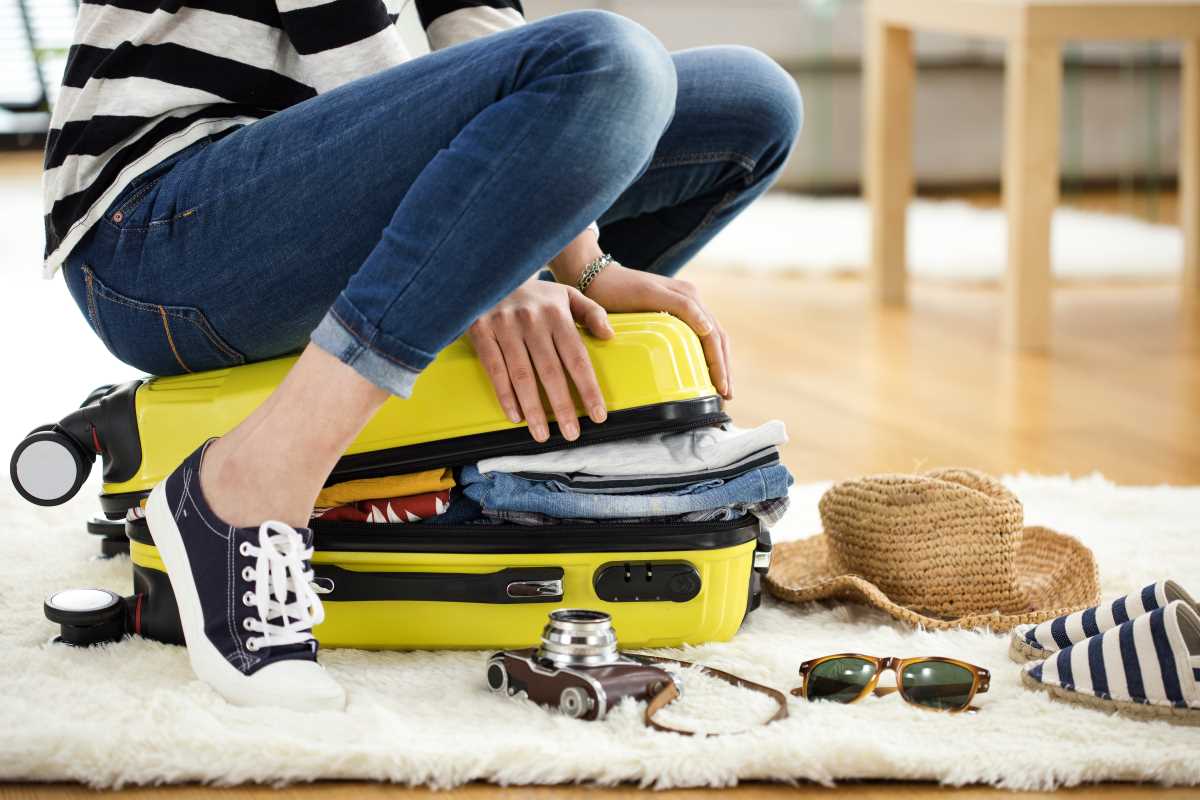
How you pack is just as important as what you pack. Simply folding your clothes and stacking them is a rookie mistake that wastes valuable space. The rolling method is superior in almost every way, it minimizes wrinkles in most fabrics and allows you to pack your clothes more densely. Tightly rolling each item into a compact cylinder lets you fit more into your suitcase and makes it easier to see everything at a glance, so you are not digging through folded piles to find one specific shirt.
To take your space-saving to the next level, invest in a set of packing cubes or compression sacks. Packing cubes are zippered fabric containers that help you organize your clothes by category and compress them down. Compression sacks take it a step further by allowing you to squeeze out every last bit of excess air, dramatically reducing the volume of bulky items like puffy jackets or fleece sweaters. Using these tools is the difference between a suitcase that closes with a struggle and one that zips up with ease.
Your Footwear Choices Must Be Ruthless
Shoes are the sworn enemy of the carry-on traveler. They are bulky, awkwardly shaped, and non-negotiable. You cannot afford to bring a different pair of shoes for every possible activity. The rule of three is a good guideline to follow, one pair for walking and hiking, one versatile pair for city wear that can be dressed up or down, and one small, packable pair like sandals or flats. The bulkiest pair should always be worn on the plane to save space in your bag.
When selecting your shoes, versatility is everything. A pair of stylish but comfortable waterproof leather boots can take you from a muddy trail to a chic restaurant without missing a beat. Dark-colored sneakers with a simple design can work for a workout, a day of sightseeing, and a casual dinner. Avoid single-purpose footwear like high heels or heavy-duty snow boots unless they are absolutely essential for a specific, planned activity. Your feet might want more options, but your suitcase capacity will thank you for your ruthlessness.