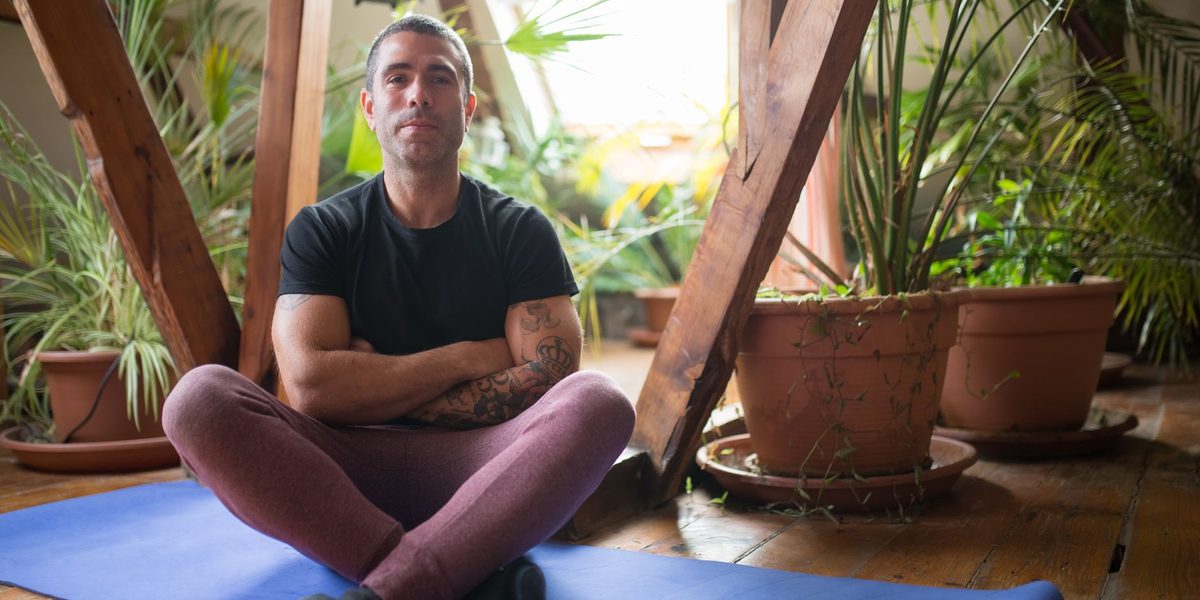
Meditation has a reputation for being either mystical or complicated, and neither is true. At its core, it is a simple procedure: you sit down, you give your attention one job, and you practice bringing it back every time it wanders. Like learning to type or ride a bike, the skill comes from repetition, not talent. What most beginners lack is not willpower but a setup — a specific place, a specific time, and a specific set of steps to follow so the practice does not depend on mood or inspiration. This guide walks you through building that setup from scratch, one decision at a time. It covers general relaxation and focus practice only; if you are dealing with significant stress, anxiety, or other mental health concerns, meditation can be a helpful companion but not a substitute for talking with a qualified professional.
Step 1: Choose and Prepare Your Spot
Pick one location in your home and make it your default meditation spot. It does not need to be a dedicated room — a corner of the bedroom, a chair by a window, or the end of the couch before anyone else is awake all work. What matters is consistency: using the same spot every time builds an association, so that sitting down there starts to feel like the beginning of the practice.
Prepare the spot with a short checklist. You want a seat that lets you sit upright comfortably — a firm cushion on the floor, a folded blanket, or an ordinary chair with your feet flat on the ground. You want the immediate area reasonably tidy, since visual clutter is a magnet for a wandering mind. And you want the temperature comfortable enough that you will not be distracted by being cold; keep a light blanket or sweater nearby. That is the entire equipment list. Apps, special cushions, and ambient sound machines are optional accessories, not requirements.
Step 2: Pick a Time and Anchor It to an Existing Habit
A meditation practice lives or dies on scheduling, so decide in advance exactly when it happens. The most reliable method is anchoring: attach the practice to something you already do every day without fail. Common anchors include right after your morning coffee starts brewing, immediately after brushing your teeth, or right after you close your laptop at the end of the workday.
Morning sessions tend to survive best because the day has not yet had a chance to interfere, but the correct time is the one you will actually keep. Write the plan as a single sentence — after I pour my coffee, I sit for five minutes — and treat it like an appointment. If you miss it, do a short version later in the day rather than skipping entirely; the goal in the first month is an unbroken chain of attempts, not perfect sessions.
Step 3: Start With Five Minutes, Not Twenty
Beginners routinely aim too high, attempt twenty-minute sessions, have a frustrating experience, and quit. Instead, run the practice like a training program with progressive increases. Start with five minutes a day for the first two weeks. If that feels sustainable, move to eight or ten minutes for the next two weeks. Increase again only when the current duration feels routine rather than effortful.
Use a timer so you are not checking a clock. Set it before you sit down, choose a gentle alarm sound, and then put the phone face down and out of reach. The timer does an important psychological job: it takes over responsibility for time so your mind can stop asking whether it has been long enough. Five fully attended minutes will do more for you than twenty minutes spent negotiating with yourself.
Step 4: Learn the Basic Breath-Counting Technique
There are many meditation styles, but breath counting is the best starting procedure because it gives your attention a clear, checkable task. Here is the complete sequence.
- Sit upright with your hands resting on your thighs or in your lap, and let your shoulders drop away from your ears.
- Close your eyes or lower your gaze to a spot on the floor a few feet ahead.
- Take two or three slower, deeper breaths to settle in, then let your breathing return to its natural rhythm.
- Begin counting breaths: inhale, exhale, count one. Inhale, exhale, two. Continue up to ten, then start again at one.
- When you notice your mind has wandered — and it will, constantly — simply note it without commentary and return to one.
- When the timer sounds, take one deeper breath, open your eyes, and sit for a few seconds before standing.
The moment of noticing that your mind wandered is not a failure; it is the actual exercise. Every return to the count is one repetition, the same way every lift of a dumbbell is one rep. A session with fifty wanderings and fifty returns is a productive session.
Step 5: Handle the Common Obstacles With Standard Fixes
Certain problems show up for nearly every beginner, and each has a routine fix. If you feel restless or fidgety, do one minute of slow stretching before you sit, and check that your seat height lets your hips sit slightly above your knees. If you keep falling asleep, meditate earlier in the day, sit in a chair instead of on cushions, or keep your eyes half-open. If outside noise keeps grabbing your attention, stop fighting it — label it sound and return to the count, or treat the noise itself as the thing you are attending to for that session.
The most common obstacle is the thought that you are doing it wrong because your mind will not quiet down. File this under expected behavior. The practice is not about achieving a silent mind; it is about changing your relationship with a busy one. If sitting quietly ever consistently makes you feel worse rather than calmer, ease off and consider discussing it with a mental health professional, since practices can and should be adapted to the person.
Step 6: Track the Habit, Not the Experience
Keep a simple log, and record only two things: whether you sat, and for how long. A calendar with checkmarks, a notes app, or a habit tracker all work. Deliberately avoid grading sessions as good or bad, because judging each session gives your inner critic a job it does not deserve, and because pleasant and unpleasant sessions genuinely do not predict long-term benefit.
Review the log once a week. If you hit most days, consider a small duration increase. If you missed more than half, do not add time — shrink the session to something almost trivially easy, even two minutes, and rebuild the chain. Consistency at a small dose beats occasional heroics at a large one, in meditation as in exercise.
Step 7: Extend the Practice Into Ordinary Moments
Once the seated habit is stable, you can add informal practice with no extra time cost. Choose one routine activity a day — washing dishes, walking to the mailbox, waiting for the kettle — and give it your full attention the way you attend to the breath count: noticing sensations, catching the wander, coming back. These micro-sessions turn the skill you build on the cushion into something you actually use in daily life.
You can also build in a few deliberate pause points: three conscious breaths before starting the car, before opening your inbox, or before responding in a tense conversation. These take seconds, require no setup, and are where most people first notice the practice paying off.
Final Thoughts
Starting a meditation practice is an exercise in setup, not willpower: one spot, one anchored time, one timer, one simple technique, and a log with checkmarks. Begin at five minutes, expect your mind to wander relentlessly, and count every return to the breath as a repetition completed. Give the routine a month of honest attempts before judging it, adjust the pieces that are not working, and keep the sessions small enough that skipping feels sillier than sitting. And as with any wellness routine, if you have underlying health concerns, loop in a qualified professional and let the practice support — never replace — proper care.