Getting into a stranger's car is one of the most routine things travelers do, and also one of the moments when they are most dependent on someone else's honesty and competence. At home, familiarity does most of the safety work: you know which cabs are legitimate, what a trip should cost, and which routes make sense. In a new city, all of that knowledge is missing, and the gap is exactly what scammers and opportunists exploit. The answer is not anxiety; it is procedure. A traveler who follows the same short verification routine before every ride, and the same habits during it, removes almost all of the risk without losing any of the convenience.
Research Legitimate Options Before You Arrive
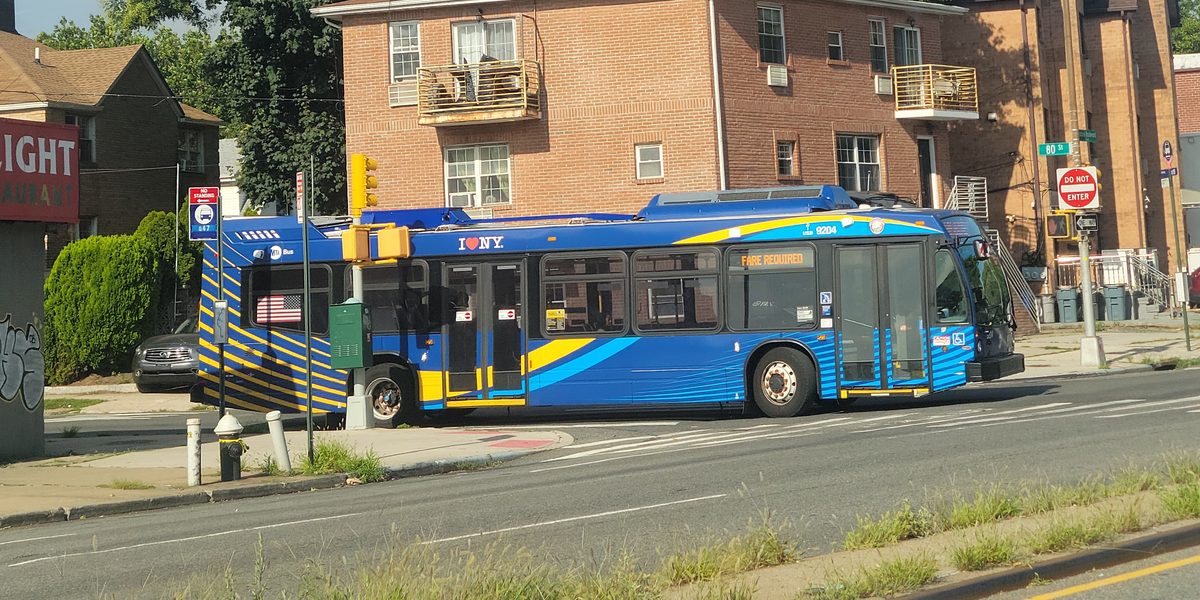
The worst time to figure out how ground transportation works in a city is while standing at the curb with luggage, tired and visibly new. Do the research the week before you travel. Learn what legitimate taxis look like in that city, including their color scheme, rooftop signage, and whether they run meters or use fixed zone pricing. Find out which rideshare services actually operate there, since coverage varies by country and city, and download and set up the relevant app before the trip, including adding a payment method, because doing this over airport internet with a dying phone is miserable.
Also learn the local norms: whether reputable taxis are hailed on the street, summoned by phone or app, or picked up only at official stands, and roughly what common trips should cost. Save your hotel's address in the local language on your phone and on paper. Ten minutes of homework converts you from an easy mark into a passenger who knows what normal looks like, and recognizing normal is the core of every other step in this procedure.
Verify the Vehicle and Driver Before You Get In
The single most important habit is a fixed verification routine performed before you touch the door handle. For rideshares, the app gives you everything you need; use all of it, every time:
- Check the license plate against the app before approaching the car. The plate is the one detail an impostor cannot easily fake.
- Match the car's make, model, and color to the listing.
- Look at the driver and compare with the app photo.
- Ask the driver who they are picking up, and let them say your name. Never offer your name first, and never respond to a stranger calling out asking if you need a ride.
- Confirm the destination shown on the driver's screen matches yours before the car moves.
For street taxis, the equivalent check is the official markings, the visible driver license or medallion displayed in the cab, and a working meter, or a price agreed clearly before the car moves in cities where fares are negotiated. If any element fails, step back and let the ride go. A legitimate driver loses nothing by your caution; only an illegitimate one is bothered by it.
Share Your Trip and Keep Someone in the Loop
Every ride in an unfamiliar city should be visible to someone who is not in the car. Rideshare apps make this nearly effortless with built-in trip sharing that sends a contact your route, driver details, and live location; turn it on as a default, not just when a ride feels questionable. For taxis, do the manual version: photograph or note the cab number and plate as you approach, and message it to a companion or a contact at home along with where you are headed. A driver who knows the trip is being tracked has every incentive to behave professionally.
If you are traveling with others but riding separately, agree on a check-in habit: a message when each person is in a car and another on arrival. Solo travelers should extend the same habit to someone at home, particularly for night rides and airport transfers. The point is simple redundancy. If anything goes wrong, someone knows what car you were in, where you started, and where you should have ended up.
Build Good Habits for Seating and Belongings
Where you sit and where your things sit both matter. Ride in the back seat, behind the front passenger position, which gives you your own space, a clear view of the driver, and access to either door. Check that the rear doors unlock from the inside as you get in, and keep your seatbelt on for the entire ride. Keep your phone in your hand or a front pocket rather than loose on the seat, both because you may need it and because a phone on the seat is easily forgotten or snatched through a window in slow traffic.
Handle luggage deliberately. Small bags stay with you in the cabin, on the floor at your feet rather than the seat beside you. If large bags must go in the trunk, do not fully exit and pay until the trunk is open at your destination, so the car cannot pull away with your possessions. Keep your most critical items, passport, wallet, and phone, on your body rather than in any bag, so even a worst-case separation from your luggage is recoverable.
Stay Aware of the Route Without Being Hostile
You do not need to know the city to know whether a ride is going roughly the right way. Before or immediately after getting in, start your own map navigation to the destination and let it run. You will see your position, the expected route, and the estimated arrival, which quietly removes the information advantage a dishonest driver depends on. Reasonable deviations happen, since drivers know traffic and construction better than an app, but a route bending steadily away from the destination, or a driver who becomes evasive when asked about it, is a signal to act.
Keep the interaction courteous and low-key. A simple, friendly question about whether there is a problem on the usual road handles most situations, and most of the time the answer is legitimate. Meanwhile, stay generally alert: keep headphones out or at low volume, avoid displaying valuables or discussing your plans in detail, and notice cross streets or landmarks occasionally so you could describe your location if you needed to.
Know How to Exit a Ride That Feels Wrong
Decide before you ever need it what you will do if a ride feels wrong, because a pre-made decision executes faster than one improvised under stress. Trust discomfort as sufficient grounds; you do not owe anyone proof. The procedure is to ask for a stop in a busy, public place, a shop, a fuel station, a hotel entrance, framed as your own need rather than an accusation, then pay what is owed if it is a taxi, get out with your essentials, and let the car leave. Money and awkwardness are trivial costs next to remaining in a situation your instincts have flagged.
If the driver refuses to stop or the situation escalates, become loud and visible: lower a window, use your phone in plain sight, state clearly that you are calling the local emergency number, and do it if the refusal continues. Report bad rideshare rides through the app afterward, and report taxi incidents to the local authority using the cab number you captured at pickup. Reporting protects the next traveler and creates a record if anything follows from the incident.
Handle Airports and Payment Carefully
Airports concentrate new arrivals, which is why they concentrate transport scams. The people who approach you inside the terminal offering a taxi are, almost everywhere, the ones to refuse; legitimate options wait at marked official taxi ranks and designated rideshare pickup zones, which are signposted. Follow the signs, join the official queue, and match your rideshare pickup zone letter or number exactly, because impostors linger where confused passengers stand. If your lodging offers a transfer, confirm in advance how you will identify the driver, and be wary of a greeter who knows your name only after you have said it.
Pay in ways that limit exposure. In-app payment is the cleanest option because no money changes hands in the car. With cash taxis, carry small bills so you never hand over a large note and depend on change, watch the meter start, and know roughly what the trip should cost from your earlier research. Ask for a receipt, which most legitimate drivers provide readily and which documents the cab if you leave something behind.
Final Thoughts
All of this compresses into a short ritual: research before you fly, verify plate, car, driver, and name before you board, share the trip, sit in the back with your things at your feet, watch the route on your own map, and leave early if anything feels wrong. Run the ritual every time, including the times it feels unnecessary, because habits only protect you when they are automatic. Done that way, taxis and rideshares stay what they should be in a new city: the easy part of the trip.