The security checkpoint is the one part of air travel where a little procedure pays off every single time. Travelers who glide through are not lucky and they are not special — they have simply turned the checkpoint into a routine, with decisions made at home instead of in the queue. The scramble you see in front of the scanner, the forgotten water bottle, the belt that sets off the alarm, the laptop buried under three sweaters — all of it is preventable with preparation and a fixed sequence of moves. Here is the complete procedure, from packing the night before to reassembling yourself on the other side.
Pack for the Scanner, Not Just the Trip
Smooth screening starts at home, because the checkpoint only exposes decisions you already made. Pack your carry-on with the scanner in mind: the machine needs a clear view, and the officers need quick access to the things they always ask about.
- Liquids, gels, and aerosols go in small travel-size containers inside one clear, resealable bag, and that bag gets packed last, at the very top of your carry-on or in an outside pocket. Rules on sizes vary by country, so check your departure airport's current limits rather than assuming.
- Large electronics — laptops and tablets — ride in a sleeve or a dedicated compartment you can open with one zip, not under the clothing layer.
- Cords, chargers, and dense clutter get corralled into one pouch, because a bird's nest of cables is a classic reason a bag gets pulled for a manual search.
- Empty your water bottle before you leave for the airport and clip it somewhere visible so you remember it exists.
- Sharp objects, tools, and anything doubtful go in checked luggage or stay home; if you find yourself wondering whether an item is allowed, look it up the night before instead of gambling.
Do a final pocket-and-bag sweep before leaving home for the airport. Yesterday's pocketknife, a leftover drink, or a forgotten aerosol from a previous trip causes more checkpoint delays than anything you packed deliberately.
Dress for the Metal Detector
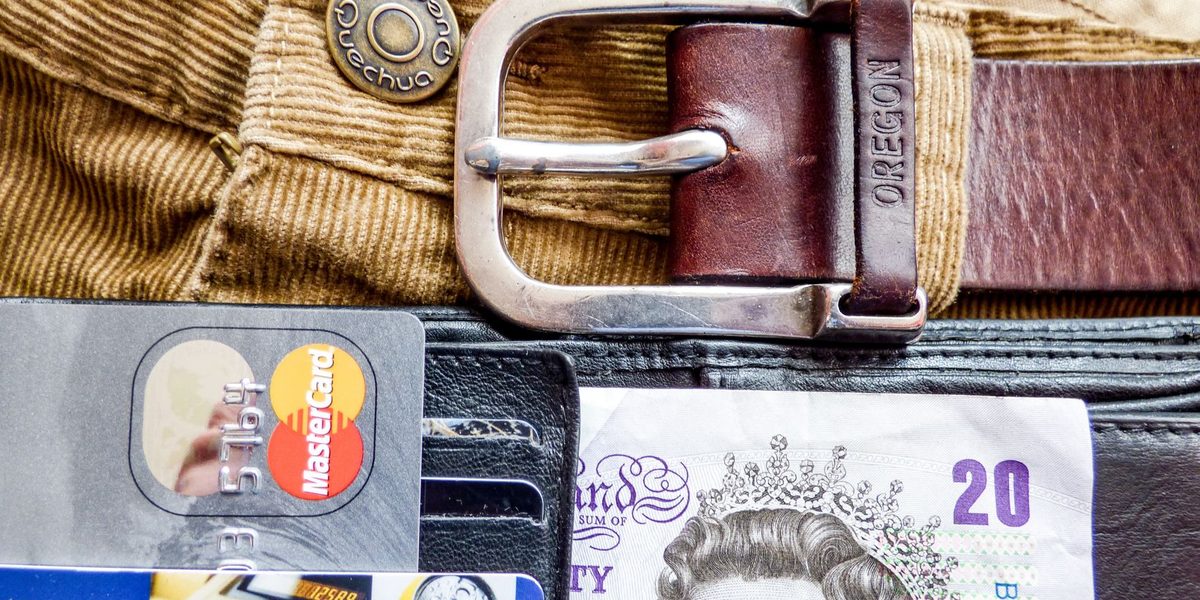
Your outfit is part of your equipment. Choose slip-on shoes or shoes that untie in seconds, since some checkpoints require shoes off and fumbling with laces stalls the whole line behind you. Skip the heavy metal: choose a belt with a plastic buckle or no belt at all, leave statement jewelry in your bag until after screening, and avoid clothing with metal studs, chains, or dense embellishments.
Wear or carry one outer layer — a jacket or hoodie — knowing it will come off at the checkpoint, and use its pockets as your staging area on the way in. Everything from your trouser pockets goes into the jacket or directly into your bag while you are still in the queue: phone, keys, coins, lip balm, boarding pass stub, everything. The ideal state when you reach the bins is completely empty pockets and one layer you can shrug off in a single motion.
Documents Out Before You Reach the Front
The document check is the first station, and it sets your rhythm for everything after. While you are still several places back in the queue, get your passport or ID into your hand and your boarding pass ready — on paper or with your phone unlocked, screen brightness up, and the barcode already displayed. Digital passes fail in predictable ways: the screen times out, the app demands a refresh exactly when you reach the podium, or the barcode sits in an email you now have to scroll for. Screenshot the pass in advance so it opens instantly without a connection.
Keep your documents in the same physical place every trip — one specific jacket pocket or one bag compartment — so your hand goes there automatically. After the check, they go straight back to that spot, not clenched in your teeth while you wrestle bins.
The Checkpoint Sequence, Step by Step
From the moment you reach the bins, work a fixed order. A sequence you repeat every trip means you never stand at the belt trying to remember what comes next, and it means reassembly on the far side is just the same list reversed.
- Grab the number of bins you need — typically one for electronics, one for your jacket, shoes, and loose items — and stage them on the rollers.
- Send your carry-on first onto the belt, so it comes out first and you can repack into it while the rest arrives.
- Lift out the laptop and any tablets into their own bin, flat, with nothing on top of them, unless the officers announce electronics can stay packed.
- Pull the clear liquids bag from its top pocket and lay it in a bin if your airport requires it out.
- Shed the jacket, belt, watch, and shoes if required, into the last bin — pockets are already empty because you handled that in the queue.
- Walk to the scanner, wait for the signal from the officer, and step through calmly with empty hands.
- On the far side, collect bins in the same order you loaded them and step away from the belt to the repacking bench before reassembling anything.
The single most important habit in that list is the last one: move away from the mouth of the belt. Standing at the rollers rebuilding your life blocks everyone behind you and rushes you into forgetting things. Airports provide benches and tables a few steps away for exactly this reason.
If You Are Selected for Additional Screening
Sooner or later a swab test, a bag search, or a pat-down will come your way, often for reasons that have nothing to do with you — random selection, a dense shadow on the X-ray, a bin that went through with something forgotten in a pocket. The procedure here is emotional as much as physical: stay calm, keep your hands visible, and let the officer direct the process. Do not reach into a bag that is being searched, and do not argue about whether the selection is fair; the fastest path through secondary screening is cooperative and quiet.
You can, and should, keep polite track of your belongings. Ask where your other bins are if you are moved away from them, and keep your ID and boarding pass with you. Answer questions simply and honestly, and if an item is disallowed, accept the choice you are offered — surrender it or step out of line to deal with it — without negotiating. A calm two minutes here costs you almost nothing; a heated ten minutes can cost you the flight.
Reassemble in the Right Order
At the bench, reverse your loading sequence: laptop back into its sleeve, liquids bag back into its pocket, then shoes, then belt and watch, then jacket, and finally pockets refilled from the jacket staging pocket. Finish with a three-point check before you walk away — documents in their home spot, phone present, and one look back at the belt and bench for anything left behind. Chargers, watches, and passports left at checkpoints are among the most common lost items in any airport, and the look-back habit is the cure.
Final Thoughts
Security is a repeatable process, and repeatable processes reward practice. Pack with the scanner in mind, dress without metal, stage your pockets in the queue, load bins in the same order every time, and reassemble at the bench instead of the belt. Run this procedure on two or three trips and it stops being a checklist and becomes muscle memory — at which point the checkpoint becomes the easiest part of your travel day instead of the most stressful.