Almost everyone agrees they should drink more water, and almost no one has a system for it. That is the whole problem. Hydration fails not because water is hard to find but because drinking it relies on remembering, and remembering loses to meetings, errands, and momentum every single time. The fix is the same one that works for any recurring task: turn it into a procedure with equipment, checkpoints, and defaults, so that staying hydrated happens on autopilot. This guide builds that system step by step — how to start the day, how to set up your bottle and stations, how to schedule intake around your real routine, and how to troubleshoot the days that go sideways. It is general wellness guidance; fluid needs vary from person to person, and anyone with a medical condition, or anyone whose doctor has given specific fluid instructions, should follow that advice first.
Step 1: Understand What You Are Aiming For
Skip the internet debates about magic numbers. For everyday purposes, you need two working ideas. First, needs are individual: body size, activity, climate, and diet all change how much fluid a person uses, so a fixed universal quota is less useful than a routine plus feedback. Second, your body gives usable feedback: thirst is the obvious signal, and the color of your urine is the classic everyday check — pale straw generally suggests you are doing fine, while consistently dark yellow suggests you are running behind. Headaches, sluggishness, and difficulty concentrating in the afternoon are also common companions of a low-fluid day.
So the goal of the system is not to hit a trophy number; it is to spread steady intake across the day and use your body's feedback to tune the amount. Coffee and tea count toward fluids for most people, food contributes too, and more is not automatically better — extreme intakes are unnecessary for everyday life. Routine plus feedback beats quota.
Step 2: Start the Day With a Deliberate First Glass
You wake up after many hours without fluids, which makes the first glass of the day the easiest win in the entire system. Build it into your wake-up sequence: stage a full glass or bottle on the nightstand or kitchen counter the night before, and drink it at a fixed anchor point — right after your alarm, while the coffee brews, or after brushing your teeth.
The mechanics matter more than the details. A staged glass gets drunk; a glass you have to remember to pour does not. If plain water first thing feels unappealing, room temperature usually goes down easier than cold, and a squeeze of lemon is a perfectly good bribe. One deliberate glass before the day starts puts you ahead before you have made a single decision.
Step 3: Set Up Your Bottle and Water Stations
Hydration is an equipment sport. Choose one primary bottle you genuinely like using — the right size to carry, easy to clean, with a lid that suits how you drink; a straw or flip lid makes absent-minded sipping far easier than a screw cap. Then set up stations so water is always within arm's reach at the places you actually spend time.
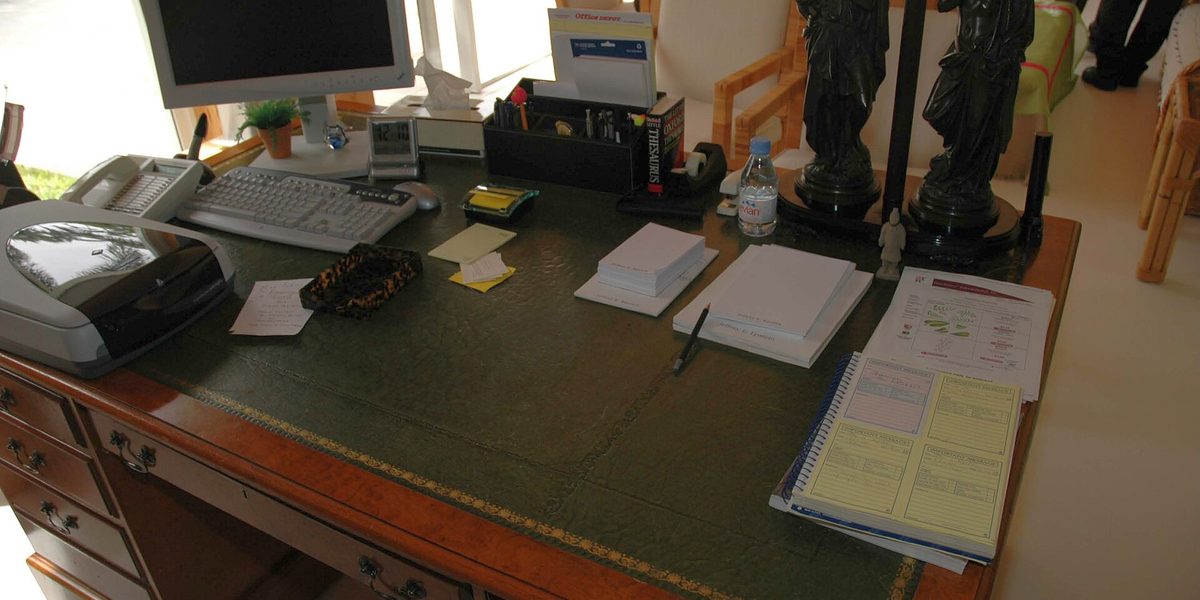
- Desk: the bottle lives next to your keyboard, not in your bag.
- Kitchen: a glass or jug in the same visible spot, refilled when empty rather than put away.
- Bag or car: a second, cheaper bottle that never leaves, so forgetting the main one does not zero out the day.
- Nightstand: the staged glass for tomorrow morning.
Wash bottles regularly — daily rinse, proper wash every few days, and a bottle brush for the corners — because a funky bottle is a system-killer. The principle behind all of it: every metre between you and water is a tax on the habit, so remove the metres.
Step 4: Anchor Drinking to Things You Already Do
Reminders on your phone work for about a week, then become background noise. Anchors last. Attach a few sips or a set amount to routines that already happen daily, and the day fills itself in without any remembering.
Strong anchors include: finish the morning glass before your first coffee; take a drink every time you sit back down at your desk; refill the bottle at every bathroom break — a neat closed loop, since drinking creates the trip; drink with every meal and snack; and have a glass while cooking dinner. Movement-based anchors work too, like a sip at every red light on your commute or after every meeting ends. Pick three or four anchors, not ten; the point is a scaffold, not a burden. Within a couple of weeks the anchors dissolve into habit and the system runs unattended.
Step 5: Make Food Part of the Plan
A meaningful share of daily fluid arrives through food, so your grocery list is quietly a hydration tool. High-water foods include cucumbers, tomatoes, lettuce and leafy greens, citrus, melons, berries, yogurt, and broth-based soups. You do not need to redesign your diet — just keep a couple of these in the regular rotation, and lean on them harder in hot weather, when soup, fruit, and salads do double duty.
This is also where balance lives. On heavy-sweat days — hard exercise, hot climates, long physical work — you lose salts along with water, and everyday meals are the normal way those get replaced. Most people covering ordinary activity do not need special drinks; water plus regular food handles it. Athletes with long or intense sessions, and anyone with medical dietary constraints, should get tailored guidance from a professional rather than guessing.
Step 6: Adjust for the Days That Are Not Average
A good system has standard operating procedure plus exceptions, so define your exceptions in advance. On exercise days, drink before your session rather than only during, sip through longer workouts, and continue steadily afterward instead of chugging once. On hot or very dry days — including long stretches in air conditioning or on airplanes — raise your baseline sips deliberately, because dry air pulls moisture from you without ever making you feel sweaty. On travel days, an empty bottle through airport security and a refill at the gate keeps the system alive when the routine breaks.
Alcohol and late nights deserve their own footnote: alternating alcoholic drinks with water is an old trick because it works, and the staged nightstand glass becomes especially valuable. The pattern in every exception is the same — anticipate the drain, front-load the response, and keep intake steady rather than heroic.
Step 7: Troubleshoot the Common Failure Modes
When the system slips, the cause is usually one of a few classics with standard fixes. I forget for hours at a time: your anchors are too weak — tie drinking to something that interrupts you anyway, like meetings ending or bathroom breaks, and put the bottle physically in your line of sight. I do not like plain water: infuse it with lemon, cucumber, mint, or frozen berries; sparkling water and herbal tea count too. I do not want to keep getting up at night: shift intake earlier and taper in the last couple of hours before bed rather than cutting fluids all day. I start strong and fade by afternoon: schedule a deliberate refill after lunch, because an empty afternoon bottle is the single most common leak in the system.
Run a one-week audit if things feel off: note roughly when and how much you drink for seven days. The pattern — and the fix — is usually obvious by day three.
Final Thoughts
Staying hydrated is not a discipline problem; it is a design problem. Stage the first glass, station water where you live and work, anchor sips to routines that already exist, let food carry part of the load, and pre-plan the hot, hard, and travel days. Use thirst and simple body feedback to tune the amounts, and give the system a week of honest running before judging it. And if you have a condition that affects fluid balance or medications with fluid guidance attached, your doctor's instructions outrank any general system — build your routine around them.