Washing your hair seems like the one beauty task nobody needs to be taught, which is exactly why so many people do it wrong. Piling lengths on top of the head and scrubbing, blasting hot water, conditioning the roots, rough towel-drying — each habit feels harmless, yet together they add up to a flat, frizzy, quickly-greasy result and slow, cumulative damage. Hair washing is a technique like any other, with an order of operations that protects the lengths, actually cleans the scalp, and leaves hair smoother before any styling product enters the picture. This guide walks through the full sequence, from the brushing you should do before the water turns on to how often the whole routine should happen for your hair type.
Step 1: Brush Before You Get In
The wash starts at the sink, not the shower. Wet hair stretches and snaps far more easily than dry hair, so any tangles you carry into the water become breakage risks. Before you turn on the tap, brush or comb your hair thoroughly from the bottom up: detangle the last few inches first, then move up in sections until you can pass a brush from roots to ends without snagging. Use a detangling brush or wide-tooth comb if your hair knots easily.
Pre-brushing does three jobs at once. It removes shed hairs so they rinse away instead of tangling into wet clumps, it lifts product residue and loosens buildup at the scalp so shampoo can work faster, and it distributes natural oils down the hair shaft, giving the lengths a little protection before water and cleanser arrive. Curly and coily hair that should not be dry-brushed can be finger-detangled instead, or detangled in the shower with conditioner — but the tangles still need to come out before scrubbing begins.
Step 2: Get the Water Temperature Right
Hot water feels wonderful and treats hair badly. Very hot water strips the scalp's natural oils, which can leave it dry and flaky or push it to overproduce oil in response, and it roughs up the hair's outer cuticle layer so strands look dull and frizz-prone. Ice-cold water, on the other hand, does not spread shampoo or rinse thick lather efficiently.
The working temperature is comfortably warm — warm enough to open things up, dissolve oil, and rinse cleanly, but never so hot that your scalp flushes. Before applying anything, spend a full thirty seconds to a minute saturating the hair completely, lifting sections so water reaches the under-layers. Hair that is merely damp on the surface will not lather properly, which tempts you to use more shampoo than you need. Fully soaked hair lets a small amount of product go a long way. Save the cooler water for the very end of the routine, where it does its best work.
Step 3: Shampoo the Scalp Only, with Fingertips
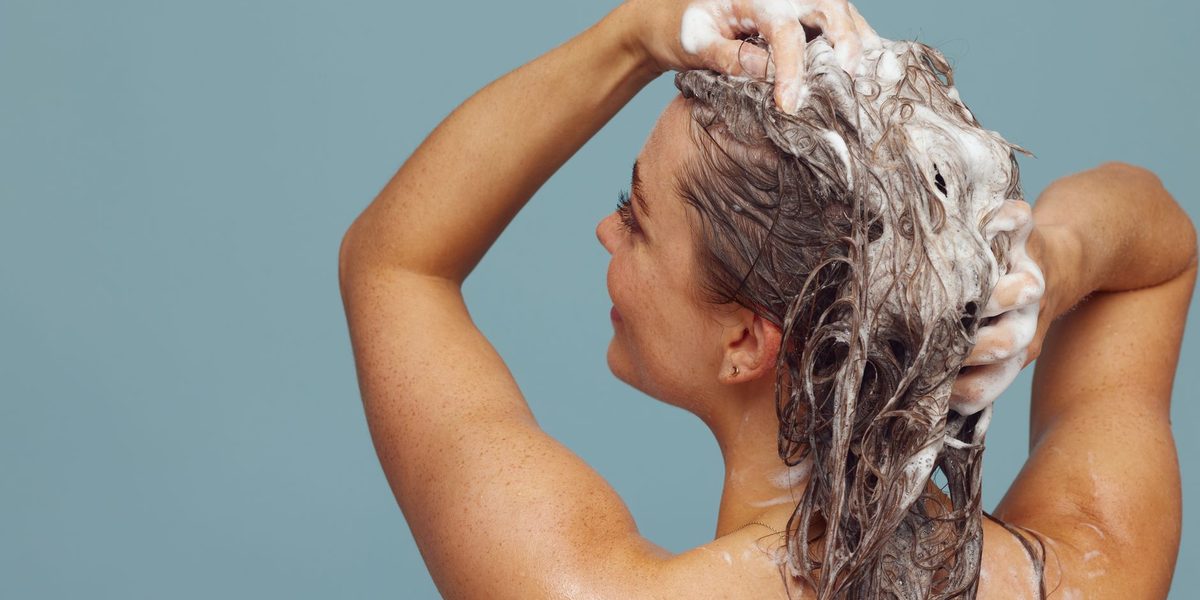
Here is the rule that changes everything: shampoo cleans the scalp, not the lengths. Oil, sweat, and buildup live at the roots; the mid-lengths and ends are older, drier hair that gets cleaned plenty by the suds rinsing through. Dispense a coin-sized amount of shampoo — a little more for thick or long hair — rub it briefly between your palms, and apply it directly to the scalp in several spots: hairline, temples, crown, and nape.
- Work the shampoo across the entire scalp using the pads of your fingertips, never your nails, which can scratch and irritate the skin.
- Massage in small, firm circles for a solid sixty seconds, moving methodically from the front hairline back to the nape so no zone is missed.
- Pay extra attention to the crown and the area behind the ears, which collect the most oil and are the most commonly skipped.
- Leave the lengths alone — do not pile them on top of your head or scrub them together, which tangles hair and roughs the cuticle.
If your hair was very dirty or heavily styled, a second, smaller shampoo pass is more effective than one aggressive one. The first pass breaks up buildup; the second actually cleans.
Step 4: Rinse Longer Than You Think
Residual shampoo is a stealth saboteur: it leaves hair dull, weighs down the roots, and can make a clean scalp itchy by day two. Rinse with warm water while continuing the same fingertip massage, lifting hair at the roots and letting water run through every section — front hairline, behind the ears, and especially the nape, where suds hide. Keep going until the water runs completely clear and the hair feels squeaky at the roots rather than slippery. For most people this takes a good minute or more, which is longer than instinct suggests. As the lather travels down the lengths on its way out, it gives them all the cleansing they need. When you are sure you are done, rinse for another ten seconds.
Step 5: Condition Mid-Lengths to Ends, Then Rinse Cool
Conditioner has the opposite geography to shampoo: it belongs on the oldest, driest hair — the mid-lengths and ends — and generally not on the scalp, where it can flatten roots and add buildup. Gently squeeze excess water from your hair first, because conditioner clings better and works harder on hair that is not dripping wet.
Apply a palmful from roughly ear level downward, smoothing it through with your fingers or a wide-tooth comb so every strand is coated, and let it sit for the time on the label — usually a couple of minutes — while you finish the rest of your shower. Fine hair does best with a lightweight formula and a shorter sit; thick, curly, or dry hair can take a richer cream and a longer one. Then comes the finishing move: rinse the conditioner out and end with a final rinse of cool water over the lengths. The cool pass helps smooth and flatten the cuticle, which translates directly into shinier, less frizzy hair once dry. It only needs several seconds, and it does not need to be arctic — cool, not painful.
Step 6: Towel-Dry Without the Rubdown
Wet hair is at its most fragile the moment you step out of the shower, and the classic vigorous towel scrub is the single most damaging thing most people do to it. Friction from rubbing roughs up the cuticle, creating frizz, split ends, and breakage. Instead, work in this order: first squeeze excess water out with your hands, working down the lengths. Then blot and press with a soft towel — a microfiber towel or even a clean cotton t-shirt is gentler than standard terrycloth — wrapping sections and squeezing rather than dragging.
If you wrap your hair, keep the turban loose and brief; a tight twist stresses the hairline. Once hair is damp rather than wet, detangle again from the ends up with a wide-tooth comb, and apply any leave-in product before heat styling. Letting hair air-dry partially before any blow-drying reduces the total heat exposure it takes to finish the job.
Step 7: Set the Right Washing Frequency for Your Hair Type
There is no universal wash schedule — only the one that matches your scalp's oil production and your hair's texture. As general starting points: fine or oily hair often needs washing every day or every other day, because oil travels fast down thin strands. Normal to thick straight or wavy hair typically does well every two to three days. Curly hair usually prefers one to two washes per week, since oil takes longer to travel down coiled strands. Coily and tightly textured hair often thrives on weekly washing or gentle co-washing between shampoos. Heavy exercisers may need to rinse and massage the scalp with water on non-shampoo days.
Watch your scalp, not the calendar: itching, flaking, or persistent oiliness means wash more often or more thoroughly, while tightness and dryness mean stretch the interval or use a gentler shampoo. If flaking or irritation persists no matter what you adjust, have a dermatologist take a look rather than cycling endlessly through products.
Final Thoughts
Good hair days are mostly built in the shower. Brush before the water starts, keep the temperature warm rather than hot, give the shampoo a full minute of fingertip massage at the scalp only, and rinse past the point of certainty. Condition the mid-lengths and ends, finish with a cool rinse, and swap the towel scrub for blotting. Then let your scalp — not habit — decide how often the whole routine repeats. Each step takes seconds, and together they turn the most ordinary task in your routine into the foundation everything else styles on top of.