Hanging something heavy on a wall is one of those jobs that looks simple until the moment it goes wrong. A mirror that slips off a bent nail, a picture frame that pulls a chunk of drywall down with it, or a television that sags away from the wall are all failures of the same two skills: finding the framing behind the wall and matching the fastener to the load. The good news is that both skills are easy to learn. This guide walks you through locating studs reliably, decoding the confusing wall of anchor options at the hardware store, and mounting heavy mirrors, artwork, and TVs so they stay exactly where you put them.
Understand What Is Behind Your Wall
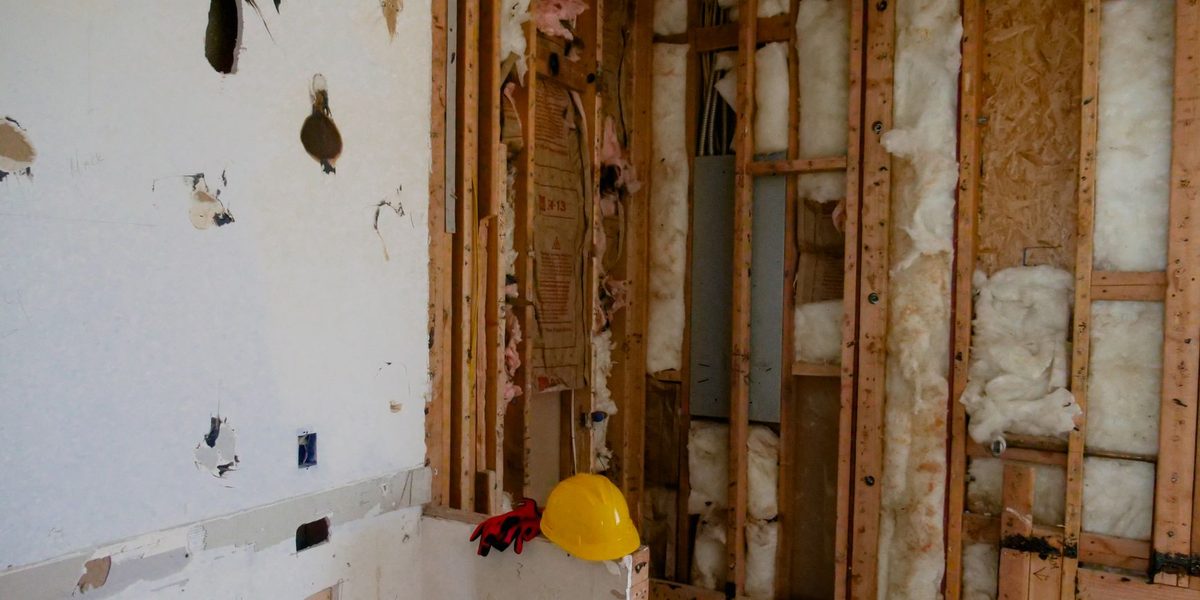
Most interior walls are drywall panels screwed to vertical wooden framing members called studs. Studs are typically spaced sixteen inches apart from center to center, though some homes use twenty-four inch spacing. Between the studs there is nothing but empty cavity, insulation, and sometimes wiring or plumbing. Drywall alone is surprisingly weak: it is essentially compressed gypsum powder wrapped in paper, and a plain screw driven into it will strip out under even modest weight.
That is why every hanging job starts with a decision. If you can put your fastener into a stud, do it, because solid wood holds far more weight than any drywall anchor. If the stud is not where you need it, you use an anchor engineered to spread the load across the drywall. Older homes may have plaster and lath instead of drywall, and exterior or basement walls may be brick, block, or concrete, each of which changes your approach.
Find Studs with a Stud Finder
An electronic stud finder is the fastest tool for the job. It senses changes in density behind the wall surface and signals when it passes over framing. To get accurate readings, follow a consistent routine.
- Place the stud finder flat against the wall in a spot where you suspect there is no stud, then power it on so it can calibrate against empty cavity.
- Slide it slowly and horizontally across the wall without lifting it. Mark the spot where it first signals an edge.
- Continue past the stud until the signal drops off, and mark that second edge. The center of the stud lies midway between your two marks.
- Repeat the pass from the opposite direction to confirm. Consistent marks mean a reliable reading.
- Verify by measuring. Once you find one stud, check sixteen inches to either side; finding a neighbor at that spacing confirms you located real framing rather than a pipe or seam.
Calibrate again whenever you move to a different wall, and take readings at the height where you plan to drill, since wiring and blocking can create false positives at other heights.
Find Studs Without a Gadget
No stud finder handy? The wall offers plenty of clues. Electrical outlets and switches are almost always attached to the side of a stud, so there is framing within an inch or so of every box. Tap the wall with your knuckle and listen: the sound is hollow over cavity and dull and solid over a stud. Baseboard nails and drywall screw dimples, sometimes visible in raking light, line up vertically along studs.
A strong magnet dragged slowly over the wall is a remarkably reliable trick. It will stick wherever it passes over the steel screws holding the drywall to a stud, and a vertical line of hits marks the stud precisely. Whatever method you use, confirm before you commit. Drive a small finish nail or drill a slender test hole where a hanging item will later hide the mark. Solid resistance and wood shavings mean you found the stud; if the bit punches through into air, patch the tiny hole and adjust.
Match the Anchor to the Load
When a stud is not available, choose an anchor rated for the weight and the wall type. As a rule of thumb, think of loads in three tiers: light items such as small frames, medium items such as large artwork and coat hooks, and heavy items such as full-length mirrors and shelving cleats for televisions.
- Plastic expansion anchors are the small ribbed sleeves that come with many hanging kits. They suit only light loads and fail quickly under weight or outward pull.
- Self-drilling threaded anchors screw directly into drywall with a screwdriver and hold medium loads well. They are quick, inexpensive, and easy to remove.
- Molly bolts are metal sleeves that expand behind the drywall as you tighten them, gripping the panel from both sides. They handle medium to heavy static loads.
- Toggle bolts and snap toggles spread a metal bar across the back of the drywall and are the strongest cavity anchors available, suitable for heavy mirrors and mounting cleats.
- Masonry anchors, such as sleeve anchors and plastic plugs set into holes drilled with a masonry bit, are the correct choice for brick, block, and concrete.
Always check the weight rating printed on the packaging and stay well under it. Ratings assume perfect installation in sound drywall, so building in a safety margin costs nothing and prevents failures.
Install Anchors the Right Way
Even a strong anchor fails if it is installed carelessly. Drill the pilot hole to the exact diameter the packaging specifies; a hole that is too large lets the anchor spin or wobble, while one that is too small can crush the drywall as you force the anchor in. Hold the drill square to the wall so the anchor seats flush. For toggle bolts, thread the bolt through your hanging hardware before folding the wings and pushing them through the hole, because the wings drop into the cavity and cannot be retrieved once the bolt is removed.
Tighten until snug, then stop. Overtightening crushes the gypsum core and weakens the connection you just made. After installation, give the hardware a firm tug straight down and slightly outward. Any movement at all means the anchor did not seat properly and should be replaced before you trust it.
Hang Heavy Mirrors, Art, and TVs
Heavy wall-hung items deserve extra planning. For large mirrors and framed art, use two hanging points rather than one so the load is shared and the piece cannot pivot. French cleats, which are interlocking angled strips, are excellent for heavy mirrors because they spread weight across a wide span and make leveling easy. Whenever possible, position the piece so at least one fastener lands in a stud, and let anchors carry the balance.
Televisions are a special case because a mount puts leverage on the wall, pulling outward at the top as well as straight down. Flat-panel TV mounts should always be lagged into studs, never hung on drywall anchors alone, no matter what the anchor rating claims. Use a level to mark your holes, drill pilot holes into the stud centers, and drive the lag screws until the bracket is tight against the wall. Have a helper support the television while you connect it to the bracket, and confirm every safety latch clicks home before letting go.
Avoid the Common Mistakes
Most hanging failures trace back to a handful of preventable errors. Do not trust a single stud finder beep without confirming from both directions. Do not reuse an anchor hole that has already stripped; move over an inch or two, or upgrade to a toggle that grips the back of the panel. Do not drill blindly above or below outlets and switches, where wiring runs vertically along the stud. Keep fasteners away from the areas directly around plumbing walls in bathrooms and kitchens unless you are confident about what is behind them. Finally, resist the urge to hang first and level later; a strip of painter's tape marked with your hole locations lets you check spacing and level before any drilling begins.
Final Thoughts
Finding studs and choosing anchors is a small skill with a big payoff. Once you can read what is behind your drywall and match the fastener to the load, hanging a heavy mirror or mounting a television stops being a gamble and becomes a satisfying afternoon project. Take the extra five minutes to confirm the stud, buy the anchor rated beyond your needs, and test every fixing before you trust it. Your walls, and everything hanging on them, will stay right where they belong.