Breathing is the only vital function you can operate both automatically and manually, which makes it a rare kind of tool: a control panel for your own nervous system that you carry everywhere and never forget at home. Slow, deliberate breathing is one of the oldest and simplest relaxation practices there is — used before stressful meetings, after hard conversations, at bedtime, and in the middle of ordinary busy days. Like any tool, though, it works best when you learn specific techniques and practice them before you need them. This guide teaches the setup, the posture, and three foundational exercises — belly breathing, box breathing, and the 4-7-8 pattern — followed by a plan for building them into your day. This is general relaxation practice, not treatment: breathing exercises are a complement to professional care, and anyone dealing with significant anxiety, breathing difficulties, or other health concerns should talk with a doctor or mental health professional.
Step 1: Set Up the Conditions for Practice
You can eventually breathe deliberately anywhere — that is the goal — but learning goes faster in good conditions. Choose a quiet spot where you will not be interrupted for five to ten minutes, and pick a low-stakes time of day for your first sessions; trying to learn a new technique in the middle of a stressful moment is like learning to swim in a storm. Silence your phone or set a gentle timer so you are not clock-watching.
Comfort matters more than ceremony. Loosen anything tight around your waist, take off restrictive layers, and have some water nearby. Practicing at roughly the same time daily — after waking, before lunch, or before bed — turns the sessions into a routine rather than a decision. A few sessions in calm conditions build the muscle memory that lets the techniques work later in noisy, tense, real-life moments.
Step 2: Get the Posture and Hand Position Right
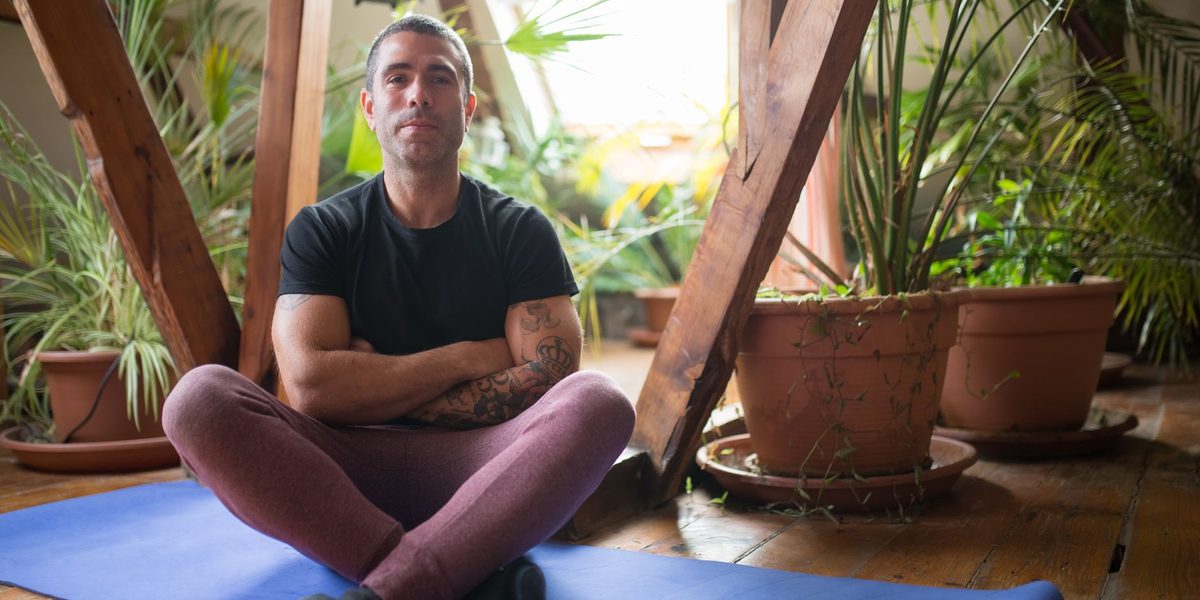
Deep breathing starts with giving your lungs room to work. Sit in a chair with both feet flat on the floor, or sit cross-legged on a cushion, or lie on your back with knees bent — all three work, and lying down is often easiest for beginners because the floor does the postural work for you. However you sit or lie, the checklist is the same: spine comfortably tall rather than slumped, shoulders relaxed down away from the ears, jaw unclenched, and hands resting easily.
Now add the teaching aid that makes everything click: place one hand on your chest and the other on your belly just below the ribs. These hands are your instruments. In shallow, stressed breathing, the chest hand does all the moving; in the deep breathing you are about to learn, the belly hand should rise and fall while the chest hand stays relatively quiet. You will use this hand check in the first technique and return to it any time a session feels off.
Step 3: Learn Belly Breathing, the Foundation
Diaphragmatic breathing — belly breathing — is the base technique every other pattern builds on. Here is the full procedure.
- Settle into position with one hand on your chest and one on your belly.
- Exhale gently through your mouth to empty your lungs and start fresh.
- Inhale slowly through your nose for a count of about four, directing the air low so your belly rises into your hand while your chest stays quiet.
- Exhale slowly through your mouth or nose for a count of about six, feeling the belly fall.
- Repeat for five to ten breaths, keeping everything unhurried and comfortable.
Two coaching notes. First, do not force enormous breaths; deep means low and slow, not maximal. Over-breathing can leave you lightheaded — if that happens, return to normal breathing for a minute and resume more gently. Second, the longer exhale is deliberate: a slow out-breath is the most relaxing part of the cycle, which is why most calming patterns stretch it. Practice belly breathing for a few minutes daily for a week before layering on the structured patterns below.
Step 4: Learn Box Breathing for Focus and Composure
Box breathing adds structure by making every phase of the breath equal, like the four sides of a square: inhale four, hold four, exhale four, hold four. The counting gives a busy mind a job, which is why this pattern is popular before presentations, difficult conversations, and other moments that call for steady composure rather than sleepiness.
Run it like this: sit tall, exhale fully, then inhale through the nose for a slow count of four; hold the breath gently for four — a soft pause, not a strain; exhale through the mouth for four; hold empty for four; and repeat the square four to six times. Visualizing an actual box, tracing one side per phase, helps the counting stay smooth. If the holds feel uncomfortable, shrink the box to a count of three, or skip the holds entirely and simply breathe four-in, four-out until the pattern feels natural. The numbers are training wheels, not rules — comfort and rhythm beat strict arithmetic every time.
Step 5: Learn the 4-7-8 Pattern for Winding Down
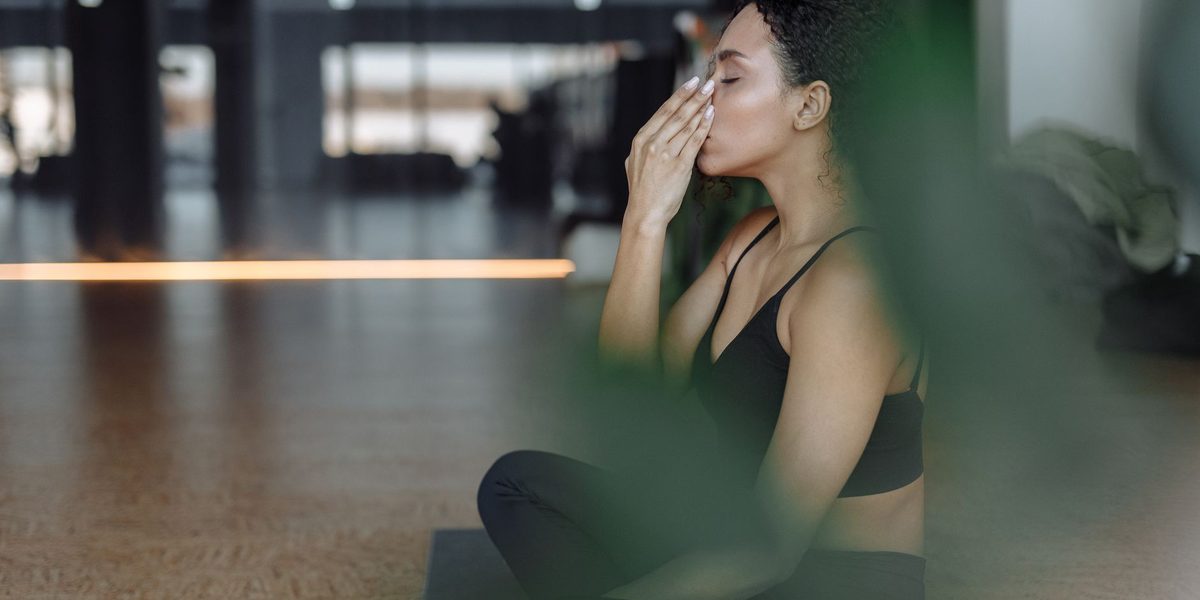
The 4-7-8 pattern stretches the exhale dramatically, which makes it the go-to technique for the end of the day. The sequence: touch the tip of your tongue lightly to the ridge behind your upper front teeth, exhale completely through your mouth with a soft whoosh, then inhale quietly through the nose for a count of four, hold for a count of seven, and exhale through the mouth for a count of eight with that same soft whoosh. That is one cycle; do three or four cycles to start.
This pattern is stronger medicine than the previous two — the long hold and exhale can feel intense at first, and a little lightheadedness on early attempts is common. The fixes are simple: count faster so the ratios stay the same but each cycle shortens, do fewer cycles, and always practice sitting or lying down. Most people reserve 4-7-8 for bedtime or for unwinding after a genuinely stressful stretch, keeping box breathing for the middle of the day. With a few weeks of practice, many find it becomes a reliable off-switch cue for sleep.
Step 6: Build Breathing Into Your Day
Techniques you only use in emergencies never feel natural in emergencies, so the real work is scheduling small doses of practice into ordinary life. A workable starter plan: one five-minute belly-breathing session anchored to an existing habit — after brushing your teeth, with your morning coffee — plus two or three micro-sessions of three slow breaths scattered through the day at natural pause points: before opening your inbox, at red lights, waiting for the kettle, before walking into a meeting.
Add a wind-down slot in the evening for 4-7-8 or extended belly breathing if sleep is a goal. Then let real life provide the exams: the next time you notice tension rising — shoulders climbing, jaw tightening, thoughts sprinting — run one round of box breathing on the spot. Each successful use in the wild reinforces the habit better than any reminder app. A tiny log with checkmarks, the same tool that works for exercise, keeps the practice honest for the first month.
Step 7: Know the Limits and When to Seek Help
Deep breathing is a wellness practice with real but modest powers: it can take the edge off a tense moment, help you transition into sleep, and give you a feeling of steadiness in situations you cannot control. It is not a treatment, and it has sensible boundaries. Stop and rest if any exercise makes you dizzy, and keep early practice seated. If breathing exercises consistently make you feel more anxious rather than calmer — which happens for some people — set them aside and consider other relaxation routes like walking, stretching, or music.
Most importantly, persistent anxiety, panic, low mood, trouble breathing, or anything else that interferes with your daily life deserves a professional's attention, not a longer exhale. Bring it to a doctor or mental health professional, and let breathing practice be one useful tool in a properly supervised kit.
Final Thoughts
Deep breathing rewards exactly the kind of systematic approach that works everywhere else: set up quiet conditions, get the posture and hand position right, master belly breathing first, then add box breathing for composure and 4-7-8 for winding down. Practice in small daily doses anchored to habits you already have, use the techniques in real moments as they arise, and respect the limits — gentle always beats forceful, and professionals always beat guesswork for anything beyond everyday stress. Few wellness tools are this portable, this free, and this quick to learn. You are already breathing; the upgrade is learning to do it on purpose.