Money problems on the road come in two flavors: the dramatic kind, where a wallet vanishes in a crowd, and the quiet kind, where a skimmed card starts leaking charges a week after you get home. Both are largely preventable with the same approach — not gadgets or paranoia, but a simple system you set up before departure and a few habits you run on autopilot during the trip. The goal is straightforward: arrange your money so that no single pickpocket, lost bag, or compromised machine can take more than a small, recoverable slice of it. Here is how to build that system, step by step.
Step One: Split Everything Before You Leave
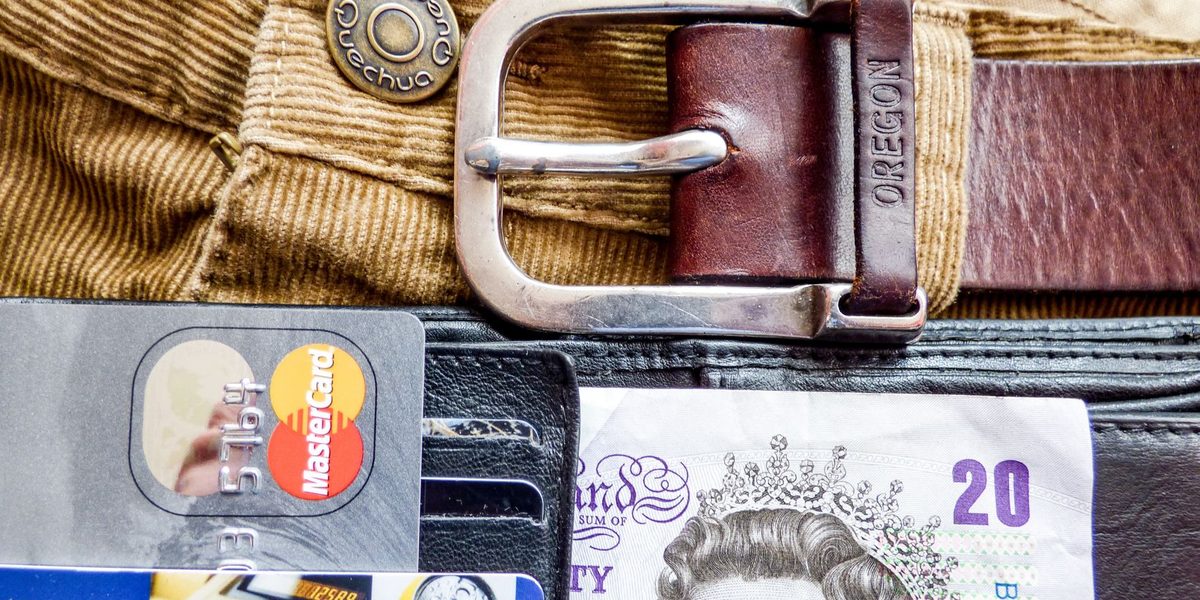
The foundation of travel money safety is distribution. Never keep all your cash and all your cards in one place — not in one wallet, not in one bag, not even in one room. Before departure, divide your resources into at least three pools: a day wallet with the cash you expect to spend and one card; a reserve kept separately on your person or locked in your accommodation, holding a second card and enough cash to survive a bad day; and a deep backup — a final card and a folded emergency note — stored somewhere you would never lose casually, such as a zipped internal luggage pocket.
Travel with at least two different payment cards if you can, ideally on different networks, and store them in different places. If one is lost, eaten by a machine, or frozen by your bank, the second keeps the trip running while you sort it out. Companions should split resources across people, too — two travelers carrying identical everything have built a single point of failure with extra steps.
Step Two: Brief Your Bank Before Departure
A surprising number of travel money crises are self-inflicted: the card is fine, but the bank flagged a foreign transaction and froze it. Before you leave, tell your bank and card issuers where you are going and for how long — most banking apps have a travel notice feature that takes a minute. While you are in the app, confirm you know your PINs (some countries rely on chip-and-PIN far more than tap or signature), check your daily withdrawal limits, and save the international customer service phone numbers somewhere outside your wallet, since the number printed on the back of a card is useless once the card is gone.
Turn on transaction alerts if your bank offers them. A push notification for every charge is the single fastest way to discover a compromised card — often before you would otherwise notice anything at all.
Step Three: Run a Safe ATM Procedure
Cash machines are where your card, your PIN, and strangers all meet, so they deserve a fixed routine. Choose machines attached to actual bank branches, ideally in interior lobbies and during daylight, rather than freestanding units in quiet corners or tourist bottlenecks. Before inserting your card, give the machine a quick physical check: wiggle the card slot and keypad — skimming hardware is attached over the real thing and often moves — and glance for pinhole cameras above the keypad.
- Shield your PIN with your free hand every single time, even with nobody visible nearby
- Decline help from any bystander, however friendly; legitimate assistance comes from bank staff indoors
- Withdraw larger amounts less often rather than making frequent small stops, then split the cash between your day wallet and reserve immediately
- Put money away before walking off — step aside, pocket everything, then move
- If the machine keeps your card, do not leave it unattended or accept a stranger’s advice to re-enter your PIN; contact the bank from the spot
This whole routine adds thirty seconds to a withdrawal and removes most of the ways machines cause trouble.
Step Four: Carry Money Like a Hard Target
How you carry your day wallet matters more than what it is made of. Front pockets beat back pockets; zipped interior pockets beat both; and a crossbody bag worn in front with the zipper closed beats an open tote hung on a shoulder. In dense crowds — markets, festivals, packed transit — keep a hand casually resting on the pocket or bag that holds your valuables. Pickpockets read body language and reliably pass on people who look attentive to their belongings.
For larger reserves on travel days, a money belt or under-clothing pouch is genuinely effective, with one rule: it is storage, not a wallet. Never open it in public — that one gesture converts your hidden reserve into an advertised one. Some travelers also carry a modest decoy: an inexpensive wallet with a small amount of cash and an expired card, kept where a wallet is expected. In the rare worst case of a confrontation, you hand over something surrenderable without argument — possessions are never worth injury — while your real resources stay distributed elsewhere.
Step Five: Pay Without Exposing Yourself
Card fraud on the road usually starts at the point of payment. The core rule: your card stays where you can see it. In restaurants and shops where terminals are portable, the machine comes to you; be politely wary anywhere someone needs to disappear with your card to process it. Check the amount on the terminal screen before approving, and if a terminal offers to charge you in your home currency instead of the local one, choose local — the conversion offered at the machine is rarely in your favor, and more importantly, it is a decision you should make deliberately, not under a cashier’s waiting stare.
Tap-to-pay and mobile wallets, where available, are excellent travel tools: they avoid handing over the physical card at all and generate per-transaction codes rather than exposing your card number. Keep receipts for larger purchases in one envelope so any dispute later has paper behind it.
Step Six: Know the Lost-Card Drill Cold
The moment you realize a card or wallet is gone, the clock starts, and the drill is always the same. First, freeze or cancel the affected cards — most banking apps can freeze a card in seconds, which is the fastest first move while you confirm whether it is lost or merely misplaced. Second, review recent transactions and report anything you did not make. Third, if theft was involved, file a police report; your insurer and sometimes your bank will want it. Fourth, switch to your reserve pool — this is the moment the whole splitting system pays for itself — and arrange a replacement card or emergency cash through your bank’s travel assistance line if the trip is long.
Run this drill mentally once before you travel, and note in your phone which cards you carry and the numbers to call. The prepared version of this bad afternoon takes an hour; the unprepared version can eat days.
Habits That Keep the System Working
A few standing habits keep the whole structure intact for the length of the trip. Each night, restock your day wallet from the reserve so you start every morning carrying only what the day needs. Check transaction alerts with your morning coffee. After busy, crowded days, do a quick inventory — day wallet, reserve, backup — so a loss is discovered in hours rather than at the next border. And keep some diversity of cash at all times: small notes for markets and transit, since flashing large bills marks you and invites change games, with larger notes staying hidden until you break them somewhere calm.
Final Thoughts
Protecting your money while traveling is not about trusting no one; it is about building a system that does not require trust to work. Split your resources, brief your bank, run a fixed ATM routine, carry your day wallet attentively, keep your card in sight, and know the lost-card drill before you need it. Set up once, these habits fade into the background — which is exactly where money worries belong on a good trip.