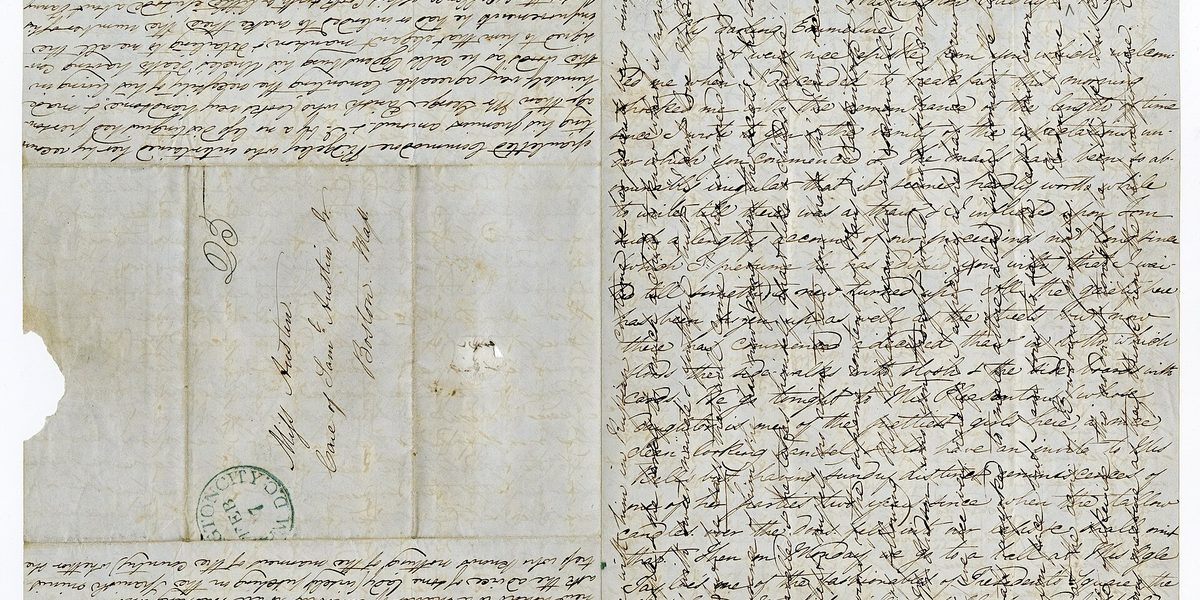
Email may carry the bulk of daily communication, but when the stakes rise, the formal letter still rules. Complaints that get refunds, cover letters that get interviews, resignation letters that preserve relationships, appeals that reverse decisions — all of them lean on a form that signals, before a single sentence is read, that the writer is serious. The formal letter is not about stiffness. It is about structure: a fixed layout that tells the reader who you are, what you want, and why, in under a page. Here is how to build one from the top margin down.
Know When a Formal Letter Is the Right Tool
Reach for a formal letter whenever you are writing to someone in an official capacity: a company's customer service or leadership, a landlord, a school administrator, a government office, a hiring manager, or a professional you have not met. It is also the right form for anything that may become part of a record — disputes, notices, resignations, formal requests, and references. The letter form works in both media: printed and mailed when weight and paper trail matter most, or attached and sent electronically when speed matters. Either way, the internal structure is identical, and that structure is doing half the persuading.
Set Up the Layout Before You Write a Word
Formal letters follow "block format," and the safest version is full block: everything aligned to the left margin, single-spaced, with a blank line between elements. From top to bottom, the skeleton looks like this:
- Your address (without your name), each element on its own line.
- The date, written out in full rather than in numerals.
- The recipient's name, title, organization, and address — the inside address.
- The salutation, followed by a colon in the most formal usage.
- The body, in three to five short paragraphs.
- The closing (such as "Sincerely,"), then three or four blank lines for a signature, then your typed name.
Use a standard, readable typeface at a normal size, keep margins even and generous, and hold the whole letter to one page whenever humanly possible. A second page rarely adds persuasion; it usually just dilutes it.
Get the Salutation Right
Nothing undermines a careful letter faster than a botched greeting. Spend two minutes finding the actual name of the person who will read your letter — a quick look at the organization's website or a phone call to the front desk usually surfaces it. "Dear Ms. Rivera:" lands very differently from "To Whom It May Concern." When you have a name, use the surname with an appropriate title. If you cannot determine gender from the name, use the full name: "Dear Jordan Avery:". If no name is findable, address the role instead — "Dear Hiring Manager:" or "Dear Customer Relations Team:" — which is warmer and more precise than the antique catch-alls. Avoid first names unless you already have an established first-name relationship with the reader.
Structure the Body in Three Moves
The body of a formal letter has a classic three-part architecture, and respecting it is the single biggest difference between letters that get answered and letters that get filed.
Opening paragraph — state your purpose immediately. The first sentence should tell the reader why the letter exists: "I am writing to request a review of the charge applied to my account," or "I am writing to apply for the operations coordinator position." Resist every urge to warm up slowly. Busy readers decide in the first two lines whether a letter deserves attention, and a clear purpose sentence is what earns it.
Middle paragraphs — give the essentials, in order. Lay out the relevant facts chronologically or in order of importance: dates, reference numbers, what happened, what was agreed, what documents are enclosed. One idea per paragraph, three or four sentences per paragraph. Keep emotion out and specifics in; "the appliance failed within two weeks and has not worked since" persuades, while "I am absolutely disgusted" invites the reader to stop taking you seriously. If you have supporting documents, mention them here and enclose copies, never originals.
Final paragraph — request a specific action and a timeframe. Say exactly what you want to happen next: a refund processed, an interview granted, a written response within a stated number of business days. Then close courteously and provide the best way to reach you. A letter that asks for nothing specific tends to receive exactly that.
Choose a Closing That Matches the Tone
The valediction is a small choice with an outsized signal. "Yours sincerely" or simply "Sincerely" is the workhorse for letters addressed to a named person, and "Yours faithfully" is the traditional pairing when the recipient is unnamed. "Respectfully" suits letters to officials and formal appeals; "Best regards" sits at the friendlier edge of formal and works when some relationship already exists. Whatever you choose, follow it with a comma, leave space for a handwritten signature on printed letters, and type your full name beneath. If your phone number and email do not appear elsewhere, put them under your typed name so the reader never has to hunt for a way to respond.
Edit Like a Skeptical Stranger
A formal letter earns its authority through flawlessness, so the editing pass is not optional. Read the draft once for content — is the purpose in the first sentence, is the request explicit, is anything included that does not serve the goal? Then read again for tone, deleting sarcasm, threats, and apology inflation alike. Then hunt mechanics:
- Spell the recipient's name and title perfectly; verify the organization's exact name.
- Check every date, amount, and reference number against your records.
- Read the letter aloud once — the ear catches tangled sentences the eye forgives.
- Confirm the enclosures you mention are actually enclosed or attached.
- Keep a copy of the final letter and note the date you sent it.
If the letter is important, let it rest overnight and reread it in the morning. Heat that felt righteous at midnight usually reads as noise at breakfast, and cutting it will strengthen the letter every time.
Adapt the Form to the Occasion
The skeleton stays constant, but the flesh changes with purpose. A complaint letter leads with the facts of the problem and closes with a concrete remedy and deadline. A cover letter opens by naming the position, spends its middle connecting your experience to the employer's stated needs, and closes by requesting an interview. A resignation letter is deliberately brief: position, final working date, a line of thanks, an offer to help with the transition — and none of the grievances, however deserved. A request or appeal letter states the decision at issue, presents new information or grounds calmly, and asks for a specific reconsideration. Matching these conventions signals fluency, and fluency signals credibility.
When the letter travels by email instead of post, keep the body identical but move your contact details into a signature block at the bottom, put a precise summary of the purpose in the subject line, and attach the formal letter as a document if a physical-style record matters. The subject line does the work the envelope used to do, so treat it with the same care as the salutation.
Final Thoughts
A formal letter is a small machine with standard parts: block layout, dated header, precise salutation, purpose-first opening, factual middle, action-seeking close, and a clean signature. Master the template once and every future letter becomes a fill-in exercise rather than a blank-page ordeal. In an age of dashed-off messages, the person who can still assemble a crisp, correct letter holds a quiet advantage — the reader can tell, within seconds, that this one deserves an answer.