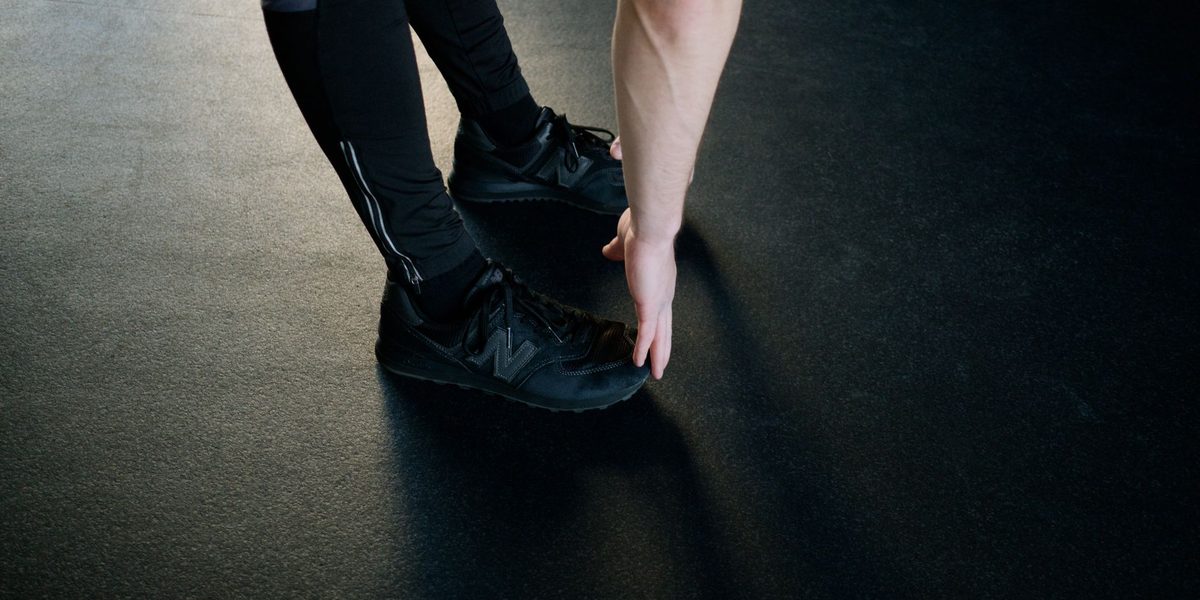
Flexibility has a reputation as something you either have or lost somewhere around adulthood. Neither is true. Range of motion responds to consistent, patient training just as strength does — it simply pays out on a slower schedule and asks for gentleness rather than grit. This guide is a standalone flexibility program for beginners: not the quick dynamic moves you do before a workout, but a dedicated routine of held stretches designed to gradually lengthen what daily life has tightened. Ten to fifteen minutes, several days a week, is enough to feel the difference within weeks. Here is the complete procedure.
Step 1: Assess Your Starting Point
Before improving anything, measure it. Spend ten minutes on a gentle self-assessment, moving slowly and stopping well short of pain. Sit on the floor with legs extended and reach toward your toes, noting where your hands comfortably arrive — shins, ankles, toes. Stand and clasp your hands behind your back, noticing how far your arms lift. Try a supported deep squat holding a doorframe, and note how your hips and ankles feel. Kneel in a low lunge and sense the front of the rear hip.
Write these observations down, including any asymmetry between sides — nearly everyone has some. This baseline serves two purposes: it tells you where you are tightest, and it becomes the yardstick that makes progress visible a month from now. One caveat before starting: if you have joint problems, recent injuries, or any condition affecting movement, run your plan past a doctor or physiotherapist first. Flexibility work is gentle, but it should be gentle for your body specifically.
Step 2: Learn the Safety Rules Once
Static stretching is safe when a few rules are followed every session, without exception. They take one minute to learn and prevent virtually every common stretching mishap.
- Warm up first. Stretch after a hot shower, after exercise, or after five minutes of easy movement like marching in place. Warm muscle lengthens willingly; cold muscle resists.
- Stretch to tension, never to pain. The target sensation is a firm, spreading pull rated around six out of ten. Sharp, burning, or electric feelings mean back off immediately.
- No bouncing. Settle into the stretch and hold it quietly. Bouncing at end range invites strains and teaches muscles to tense defensively.
- Keep breathing. Held breath means the stretch is too intense. Slow exhales are the volume knob — each one lets you sink slightly deeper.
- Respect joints. The pull belongs in the muscle's belly, not in a joint. Pressure inside a knee, elbow, or spine means adjust the position.
If a stretch consistently causes pain rather than tension, skip it and mention it to a professional; a persistent painful spot is information, not a challenge.
Step 3: The Beginner Full-Body Routine
This routine covers the areas modern life tightens most. Hold each stretch for twenty to thirty seconds, breathe slowly throughout, then repeat on the other side where relevant. Once through takes about twelve minutes; a second round deepens the effect when time allows.
- Neck side stretch: Sitting tall, tilt one ear toward its shoulder, letting the opposite arm hang heavy. Feel the pull along the side of the neck.
- Chest doorway stretch: Forearm on a doorframe, elbow at shoulder height, step gently through the doorway until the chest opens.
- Overhead shoulder stretch: Reach one arm overhead, bend the elbow behind your head, and assist gently with the other hand.
- Seated hamstring stretch: One leg extended, the other foot tucked to the inner thigh; hinge forward from the hips with a long spine, reaching toward the extended foot.
- Low lunge hip flexor stretch: Kneel in a lunge, back knee padded, and shift hips forward until the front of the rear hip stretches. Squeeze the rear glute slightly to deepen it.
- Figure-four glute stretch: Lying on your back, cross one ankle over the opposite knee and draw that thigh toward your chest.
- Standing calf stretch: Hands on a wall, one leg stepped back with heel pressed down, leaning in until the calf lengthens.
- Child's pose: Kneel, sit back toward your heels, and walk your hands forward until your back and shoulders release. Breathe here for the full hold.
Step 4: Breathe Like It's Part of the Stretch
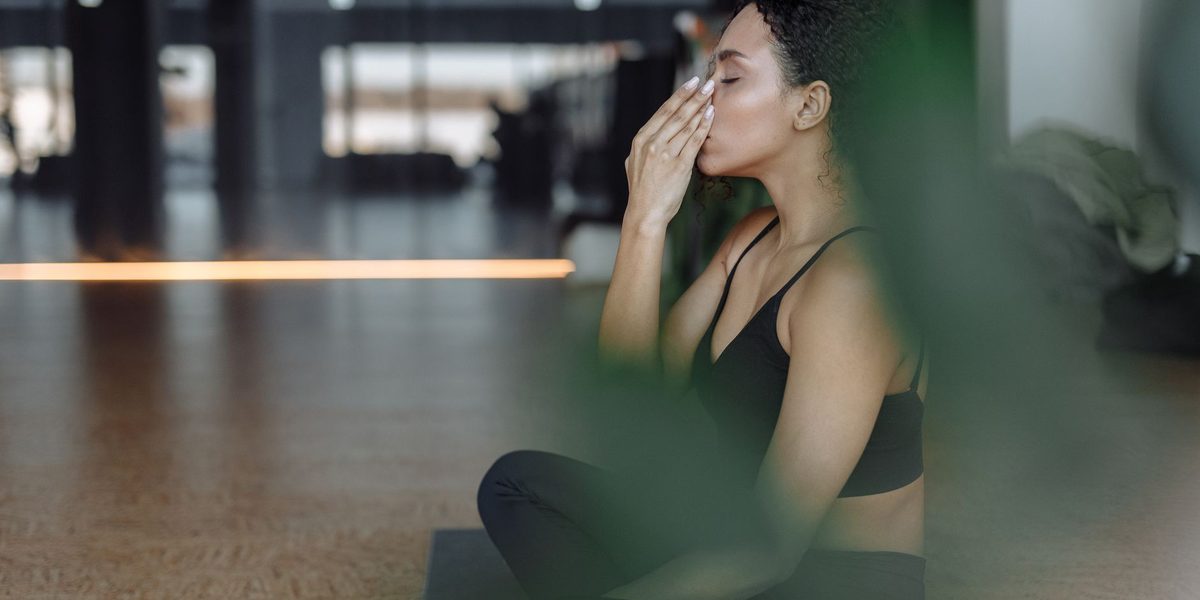
Breath is not an accessory to stretching; it is half the technique. Muscles hold protective tension, and slow breathing is the signal that convinces the nervous system to release it. In each stretch, settle at your first point of tension, then take four or five slow breaths — in through the nose, out long through the mouth. On each exhale, deliberately relax the muscle being stretched and allow the position to deepen a few millimeters on its own. Never force the extra range; let the exhale purchase it.
If you notice yourself gritting teeth, clenching fists, or holding breath, the stretch is too aggressive. Ease back until you can breathe smoothly. Paradoxically, beginners who stretch more gently progress faster, because a relaxed muscle lengthens while a defended one fights back.
Step 5: Set Frequency and Progress Slowly
Consistency beats intensity by a wide margin in flexibility work. Aim for the full routine three to five days per week; daily is fine if it stays gentle. Attach it to an existing anchor — after your evening shower, during a favorite program, before bed — so it runs on habit rather than motivation.
Progress along two dials, one at a time. First extend holds gradually from twenty seconds toward forty-five. Later, add a second round of the routine. Expect the timeline to be honest but unhurried: sessions feel looser immediately, measurable change appears over weeks, and meaningful transformation is a matter of months. Flexibility rewards the patient and punishes the ambitious, which makes it a pleasant inversion of most fitness pursuits.
Step 6: Avoid the Classic Beginner Mistakes
A few errors account for most stalled or abandoned stretching programs. Chasing pain is the biggest — treating discomfort as proof of effectiveness, when it actually triggers protective tightening and next-day soreness that kills the habit. Comparing yourself to flexible friends or online contortionists is another; your only meaningful comparison is your own baseline from step one. Stretching only the favorite side, skipping the warm-up when short on time, and abandoning the program in week two because nothing dramatic has happened round out the list.
One more subtle mistake: stretching muscles that are actually weak rather than tight. Sometimes a chronically tight-feeling area, like the back of the thighs or the neck, is protesting overwork, not shortness. If an area never improves despite consistent gentle stretching, a physiotherapist or qualified trainer can assess whether it needs strengthening instead — a half-hour consultation that can redirect months of effort.
Step 7: Track Gains the Simple Way
Once every two weeks, repeat the assessment from step one under similar conditions — same time of day, same warm-up — and jot the results next to your baseline. Where do your hands reach now? How does the deep squat feel? Photographs help too; a side-view photo of your seated forward fold, repeated monthly, shows change that daily familiarity hides.
Log sessions minimally: a calendar tick for each completed routine is enough. The tick-chain builds momentum, and the biweekly measurements supply proof. When a stretch that once felt like a negotiation becomes merely pleasant, swap in a slightly deeper variation and let the cycle continue.
Final Thoughts
Starting a flexibility practice is a quiet procedure: measure your baseline, learn the safety rules, run a short full-body routine most days, breathe your way into each hold, progress one dial at a time, sidestep the classic mistakes, and re-measure every two weeks. No equipment beyond a mat and a doorframe, no talent required, and no rush. Tightness accumulated over years of chairs and screens unwinds on the same terms it arrived — a little at a time, in sessions that fit inside a coffee break.