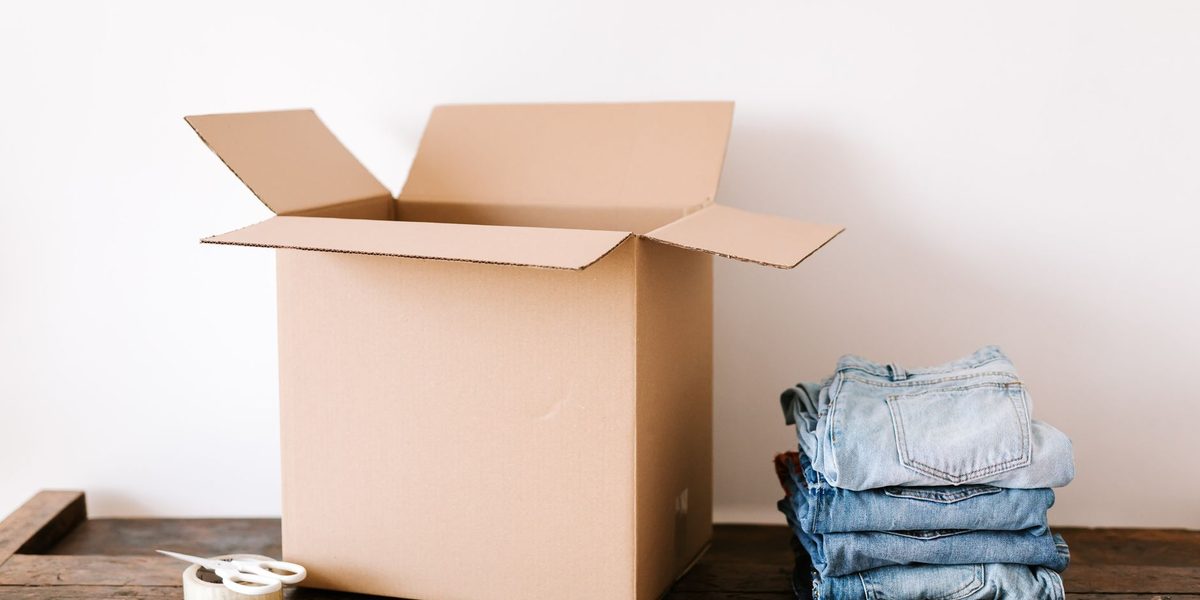
Moving is consistently ranked among life's most stressful events, and most of that stress traces back to boxes: not enough of them, packed too heavy, sealed with mystery contents, or crushed because something fragile went on the bottom. The physical act of moving house is a logistics problem, and logistics problems yield to systems. This guide lays out a complete packing system — the supplies worth buying, the order to pack your home in, the techniques that keep breakables intact, and a labeling method that means you will never stand in your new kitchen wondering which of forty identical brown cubes contains the coffee maker.
Gather Real Supplies Before You Start
Improvised packing with grocery bags and one roll of ancient tape is how belongings get broken. Stock up first:
- Boxes in two or three sizes. Small boxes for heavy things, medium for most items, large only for light and bulky things like bedding. Uniform sizes stack far better than a scavenged mix.
- Quality packing tape and a tape gun. The tape gun feels like an unnecessary gadget until you have sealed ten boxes; then it feels essential.
- Packing paper. Plain unprinted newsprint is cheap and does most of the protective work. Newspaper works but transfers ink onto dishes and hands.
- Bubble wrap for genuinely fragile items only — it is expensive, and crumpled paper handles the rest.
- Thick markers in two or three colors, plus a roll of colored tape or labels per room if you want the color-coded system described below.
As a rough planning figure, a one-bedroom home consumes far more boxes than anyone expects — get more than your first estimate, and keep receipts so you can return unused ones.
Pack in the Right Order: Least Used First
Start packing weeks before the move, not days, and let usage frequency set the sequence. First come the things you could live without for months: off-season clothing, books, decor, spare linens, the good china, hobby gear, and everything in storage areas. Middle weeks take the second kitchen drawer, most of the wardrobe, and electronics you can spare. The final days are only for daily essentials.
Work one room at a time and finish it before moving on. A house with five half-packed rooms feels chaotic and produces mixed-content mystery boxes; a house with two fully packed rooms and three untouched ones feels like progress. Purge as you go — every item you donate or discard is an item you do not pay to move, carry up stairs, and find a home for later.
The Golden Rules of Filling a Box
Almost every packing disaster violates one of a few physical rules. Heavy items go in small boxes. A large box of books is technically packable and practically immovable; books, tools, and canned goods belong in small boxes that one person can lift comfortably. If you cannot lift a box easily, repack it. Heavy at the bottom, light on top, both within each box and when stacking boxes in a truck. Fill every void. Boxes with empty space collapse when stacked; stuff gaps with crumpled paper, towels, or soft clothing until the closed box neither bulges nor caves when you press the top.
Tape matters more than people think. Seal the bottom seam with two or three overlapping strips, and add one strip perpendicular across them for heavy boxes. A single lazy strip on a box of kitchenware is a gamble you will lose on the stairs.
Protecting Fragile Items
Dishes survive moves when they travel on edge, not flat. Wrap each plate individually in packing paper, then stand plates vertically in the box like records in a crate, with crumpled paper padding the bottom, sides, and top. Bowls nest with paper between them; glasses and mugs get wrapped with paper stuffed inside and travel upright. Specialty dish-pack boxes with cell dividers are worth buying for stemware.
Wrap electronics in towels or bubble wrap and, where possible, photograph the cable connections on the back before unplugging anything — that photo will save you an hour on setup day. Mirrors, framed art, and glass shelves travel on edge in flat picture boxes or sandwiched between sheets of cardboard, taped and clearly marked. Write FRAGILE and THIS SIDE UP on every box that needs it, on multiple faces, and mean it: fragile boxes load last and ride on top.
A Labeling System That Actually Works
The label's job is to answer three questions without opening the box: where does it go, what is in it, and how urgently is it needed. Write on the sides of the box, not the top — tops are invisible in a stack — and label at least two sides. Each label carries three lines: the destination room in large letters, a short content summary ("pots and pans, colanders", not "kitchen stuff"), and a priority mark such as a star for open-first boxes.
Color coding is the upgrade that pays off on moving day. Assign each room a color of tape or label, stripe every box accordingly, and on arrival stick a matching swatch on each room's door. Helpers who have never seen your home can now deliver every box to the right room without asking you a single question. For a deeper level of control, number each box and keep a running list — on paper or in your phone — of each number's contents. If you wonder whether the blender made it, the list answers without excavation.
Pack an Essentials Box — and Guard It
The single most valuable box in the move is the one containing your first twenty-four hours: toilet paper, soap, towels, phone chargers, basic tools, scissors or a box cutter, medications, a change of clothes per person, snacks, a kettle or coffee gear, and bedding or at least pillows. Pack one essentials box per person plus one for the household, mark them unmistakably, and transport them in your own vehicle rather than the truck. Arriving exhausted in a new home and being unable to shower, charge a phone, or make coffee is the misery this box exists to prevent.
Keep documents, jewelry, spare keys, and other small valuables with you as well. Important papers and irreplaceable items should never ride in the general cargo. The same goes for anything the movers cannot legally or safely transport — propane tanks, paint, and household chemicals — which you should plan to use up, give away, or transport yourself well before the truck arrives.
Moving-Day Box Logistics
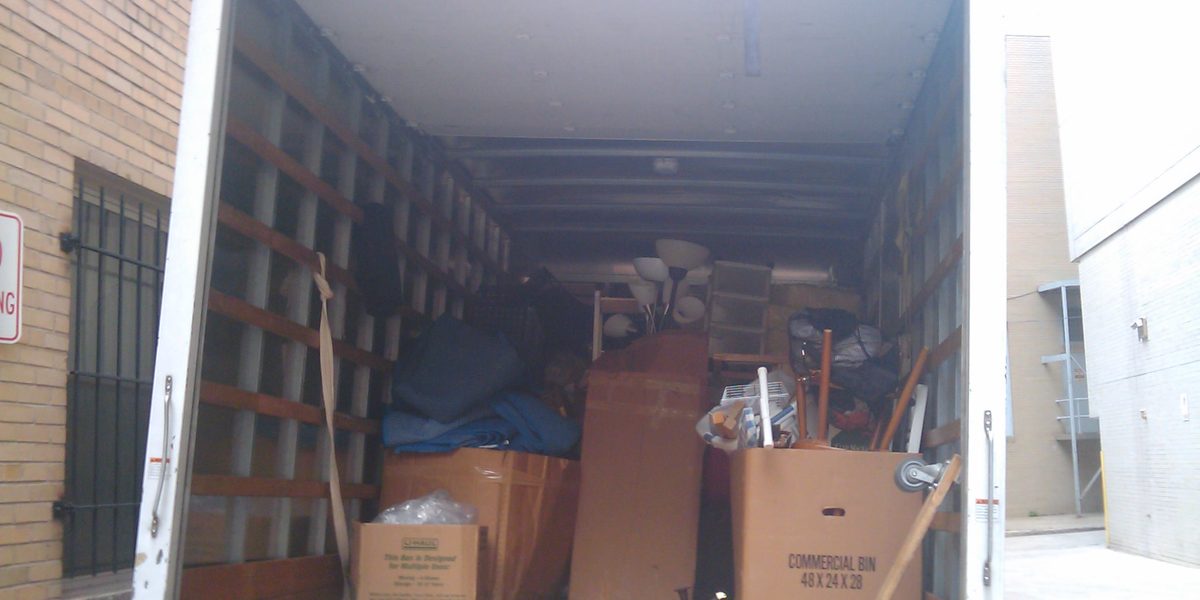
Load the truck in reverse priority: storage and rarely used boxes go in first and deepest, room-priority boxes later, essentials and fragile items last so they come off first. Stack heavy small boxes low, build stable walls of uniform boxes, and never stack anything on a box marked fragile. At the new home, resist the urge to open boxes at random. Direct everything to its color-coded room, assemble beds before fatigue wins, open starred boxes only, and let the rest wait. Unpacking one room at a time — kitchen first, then bedrooms, then everything else — turns chaos into a checklist.
Final Thoughts
A calm move is built weeks earlier at the packing stage: proper boxes packed to a liftable weight, fragile items wrapped and standing on edge, every box labeled on its sides with room, contents, and priority, and an essentials box riding with you. None of it is difficult; all of it is deliberate. Give every box a destination and a description, and moving day stops being a memory test and becomes what it should be — heavy lifting, and nothing more.